Home & Living: Shape the Way Your Home Feels
A well-designed home is not just about furniture placement, but about how each room feels to live in. From the softness of seating to the balance of light, texture, and layout, the right home & living choices create spaces that feel calm, practical, and personal.
Instead of treating each room separately, modern interiors work best when everything connects visually. Living rooms, bedrooms, dining areas, and hallways should flow naturally, sharing materials, tones, and proportions that make the entire home feel cohesive.
Build a Visual Foundation First
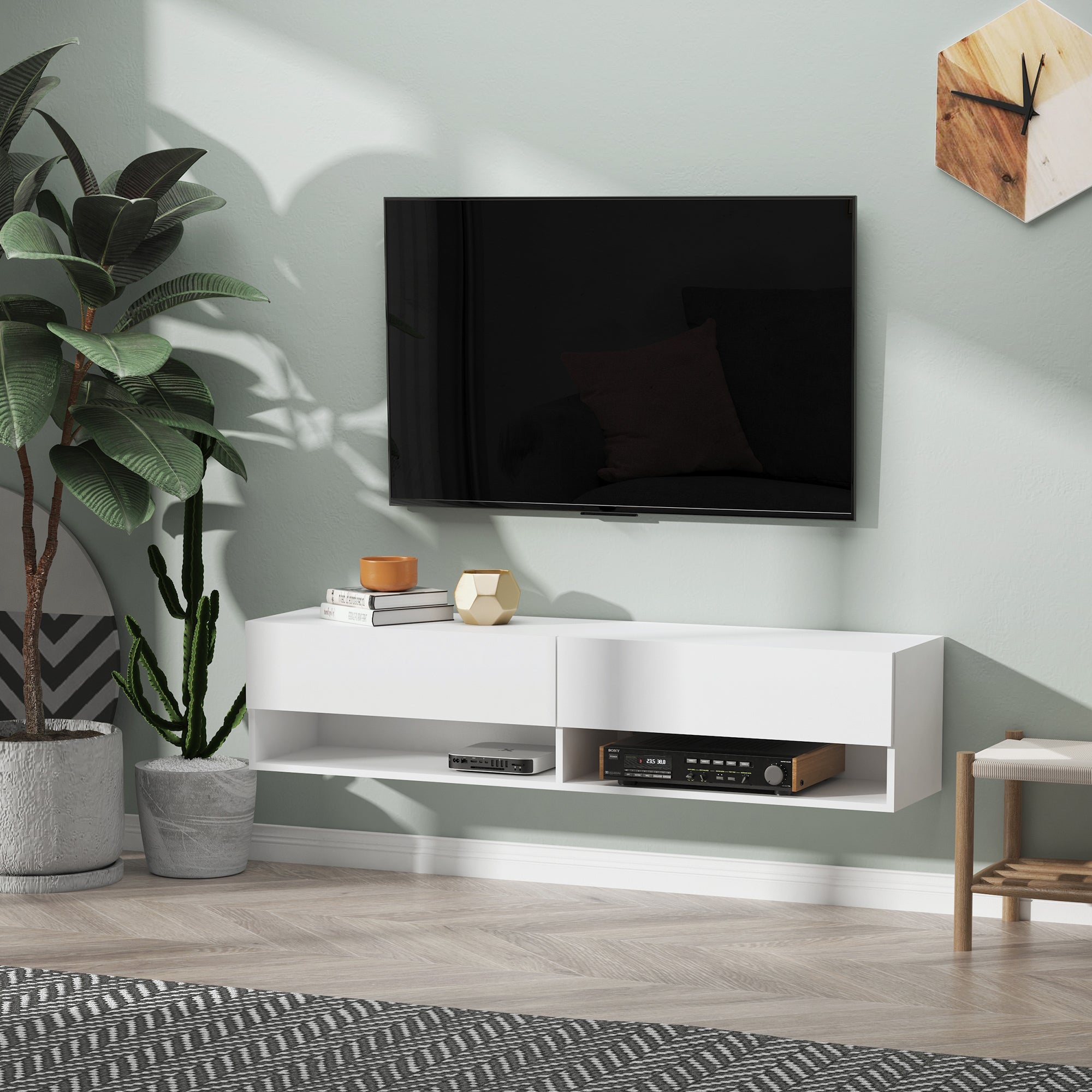
Before adding details, define the base of your space. Larger furniture pieces such as sofas, beds, and tables set the visual weight of a room. Choosing the right living room furniture helps establish balance between openness and comfort.
Clean silhouettes and neutral tones are often easier to build around. Styles such as Modern, Scandinavian, and Minimalist provide a stable foundation that allows smaller accents to stand out without overwhelming the room.
Let Texture Do the Work
A room does not need more colour to feel rich—it needs more texture. Materials like corduroy, velvet-look fabrics, and natural wood finishes add depth without making the space visually heavy.
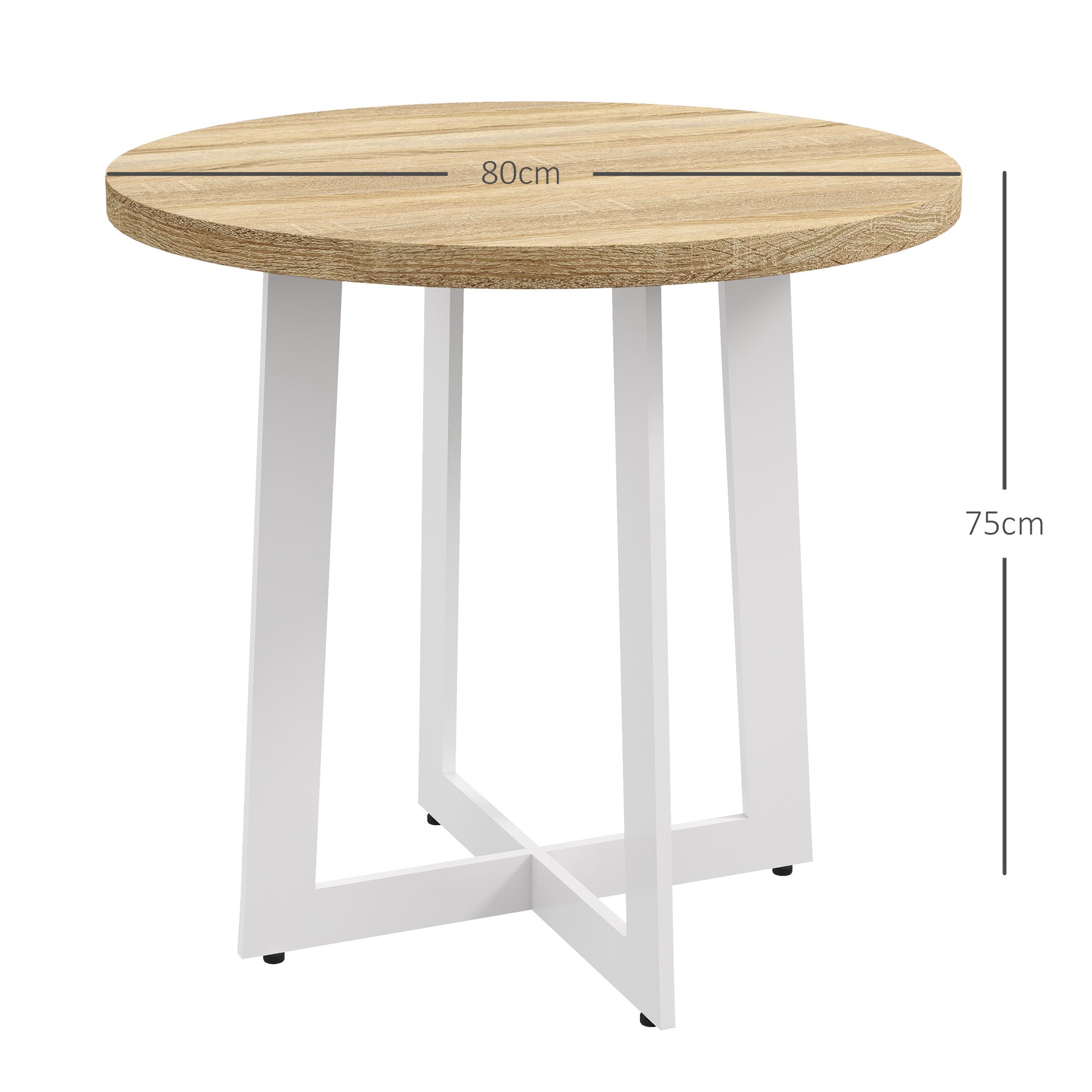
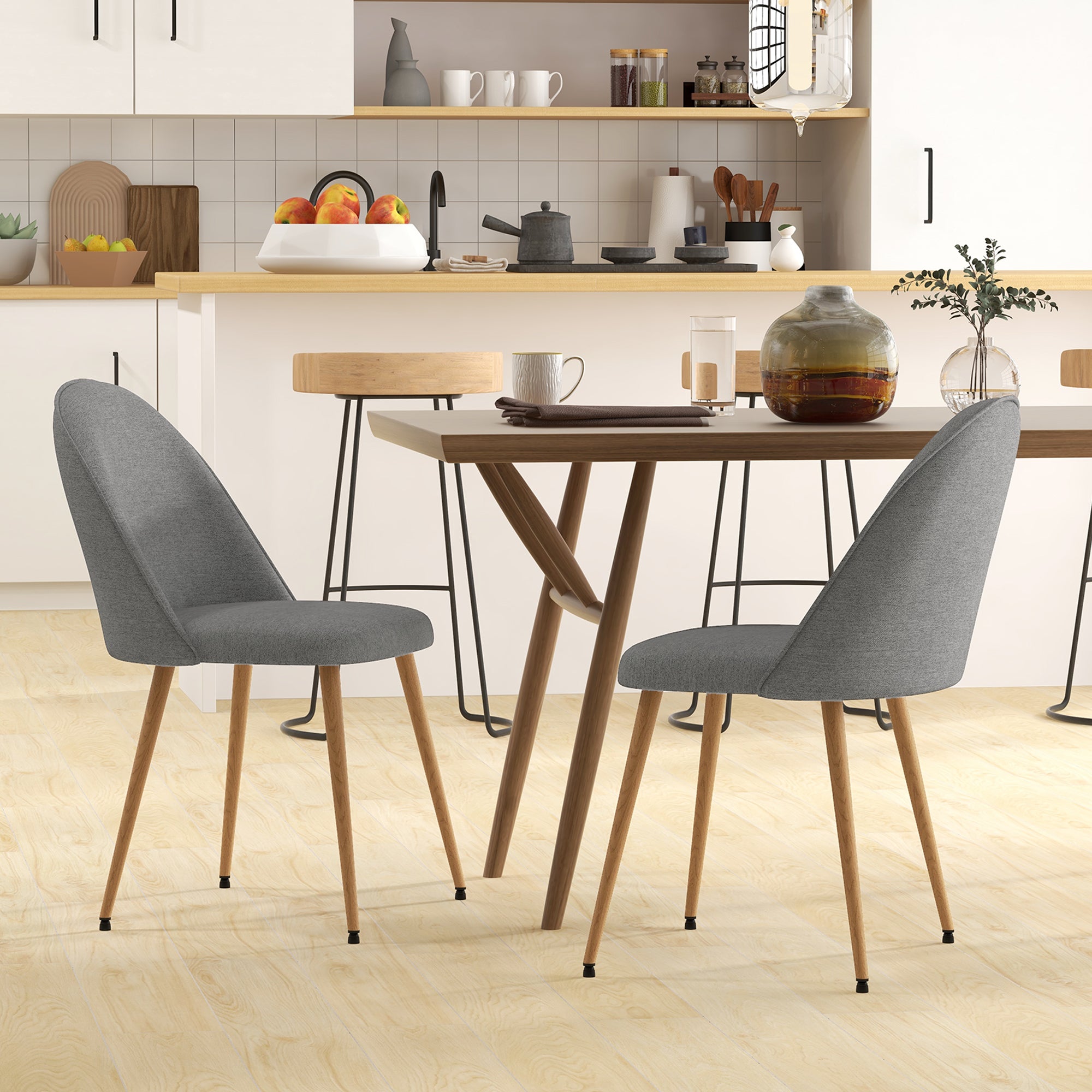
For example, a 3-Seater Sofa with Corduroy Upholstery introduces warmth through fabric, while a Wood Grain Tabletop with Metal Frame balances softness with structure. These details shape how a space feels far more than decorative objects alone.
Create Flow Between Rooms
Homes feel more intentional when spaces connect rather than compete. A dining area should not feel disconnected from the living room, and a hallway should act as a transition, not just a passage.
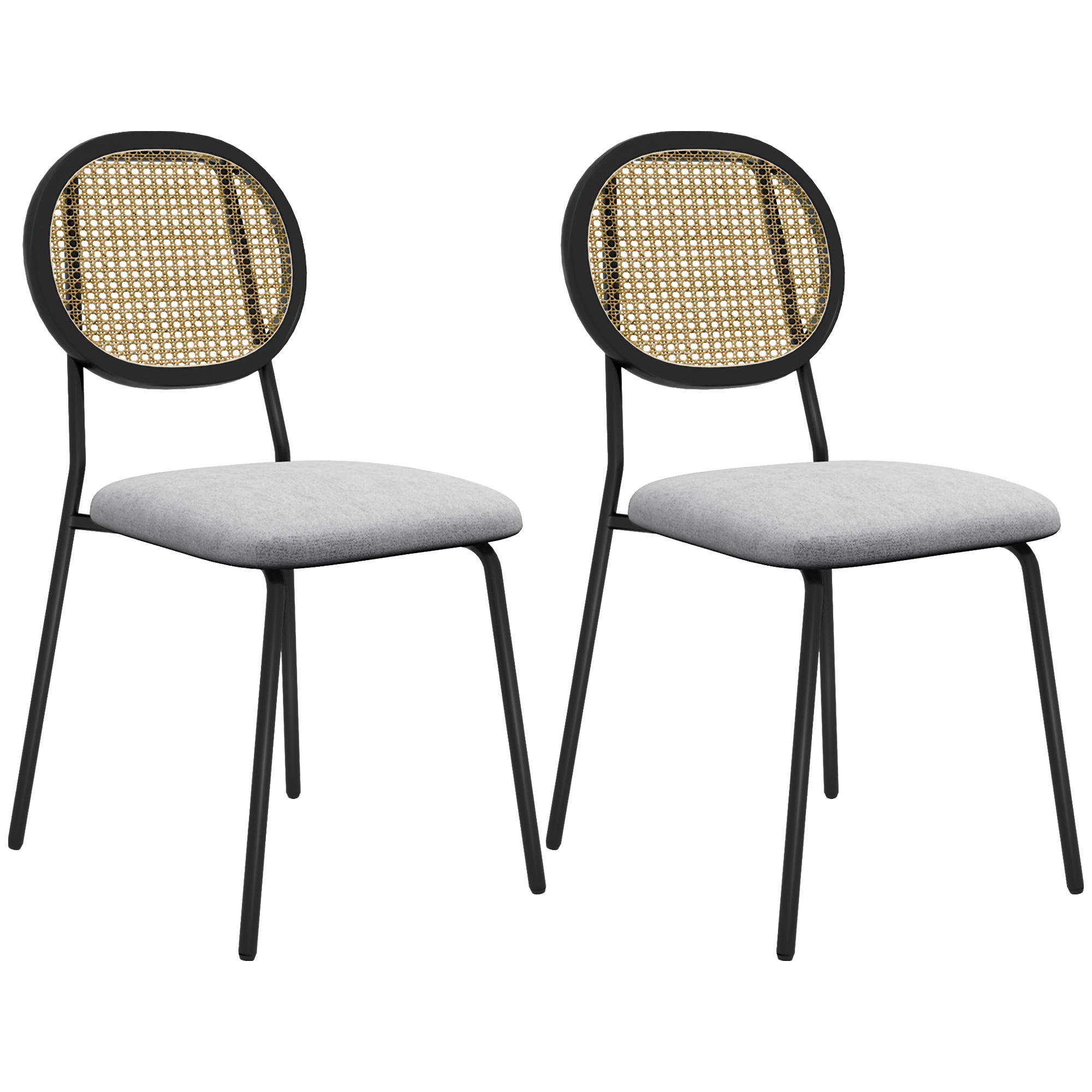
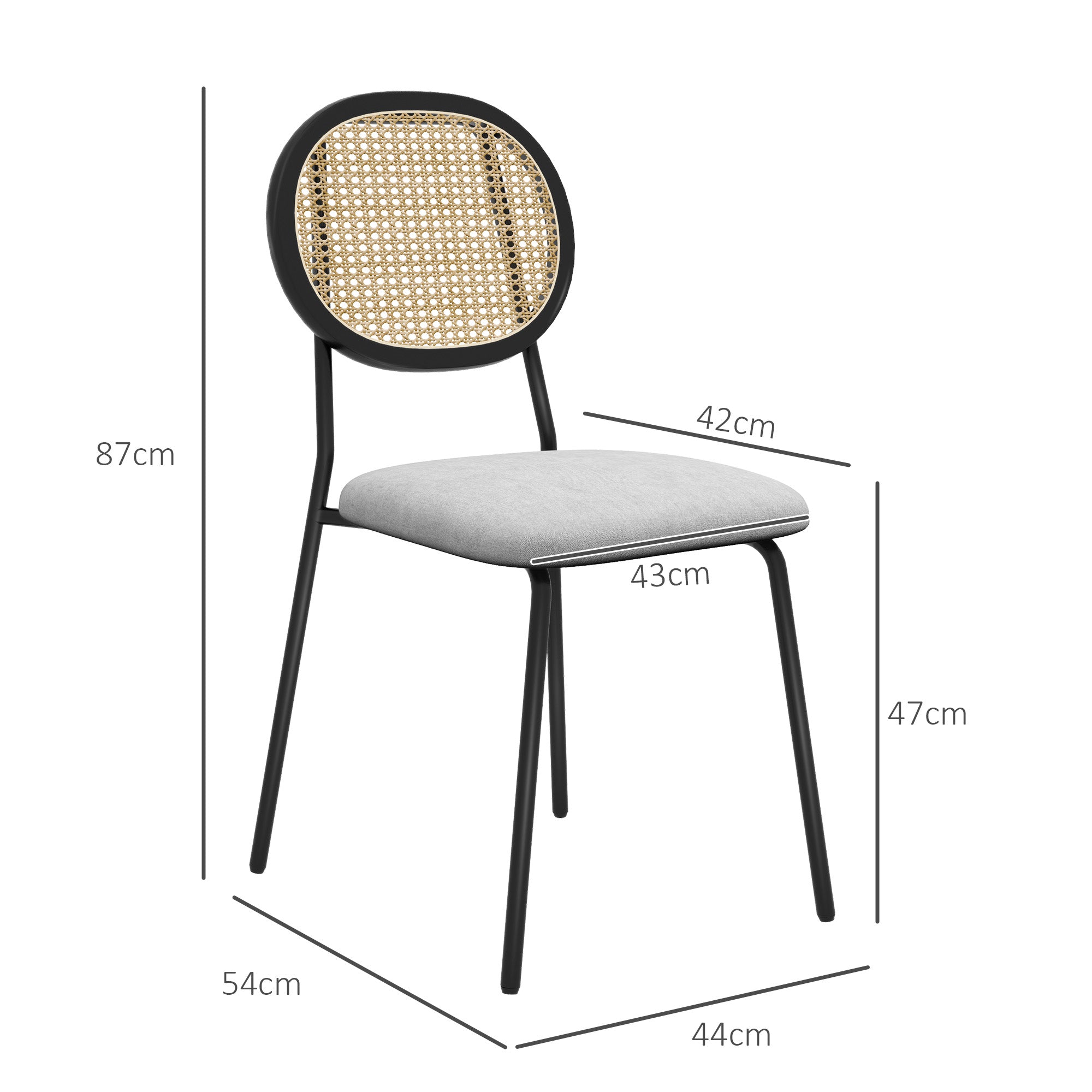
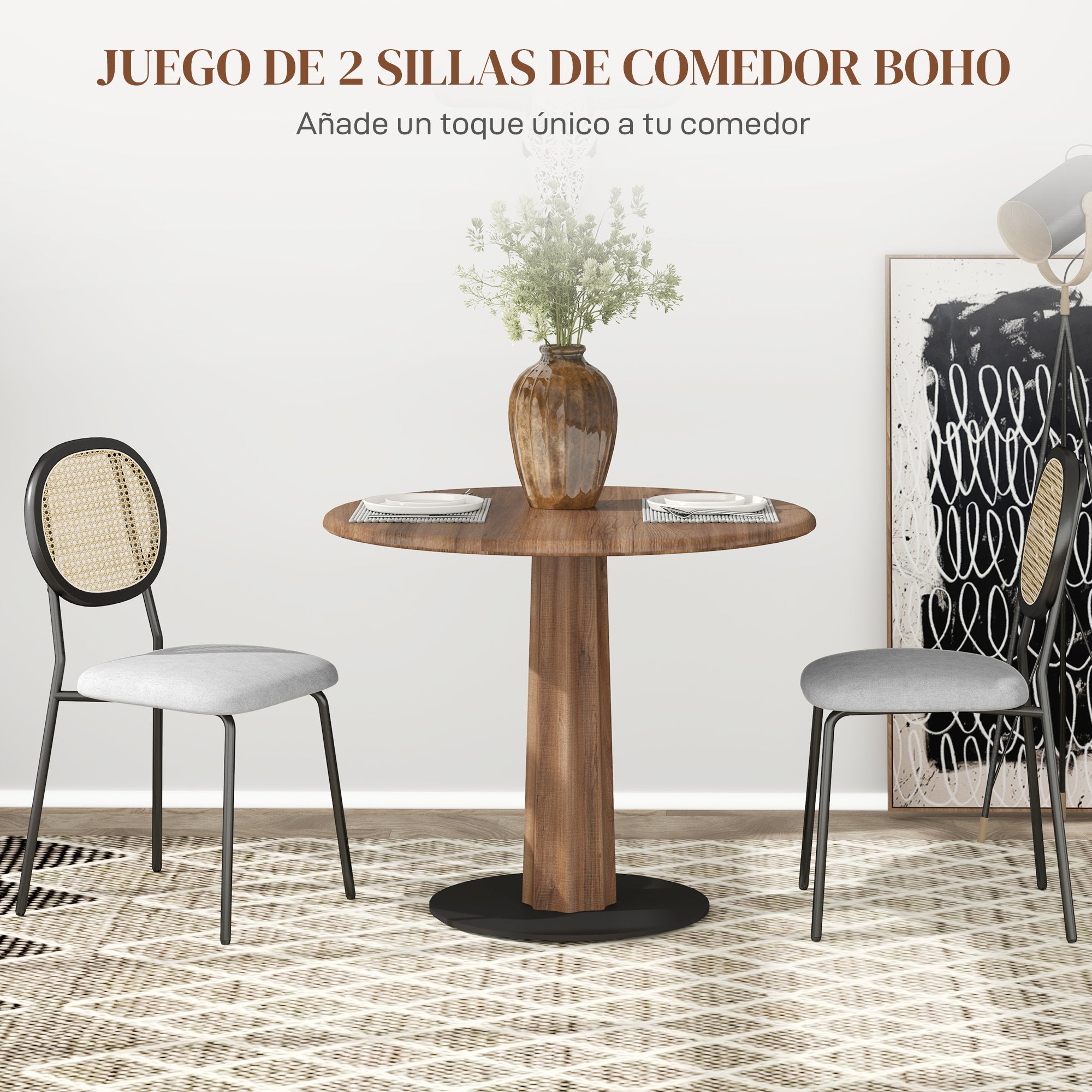
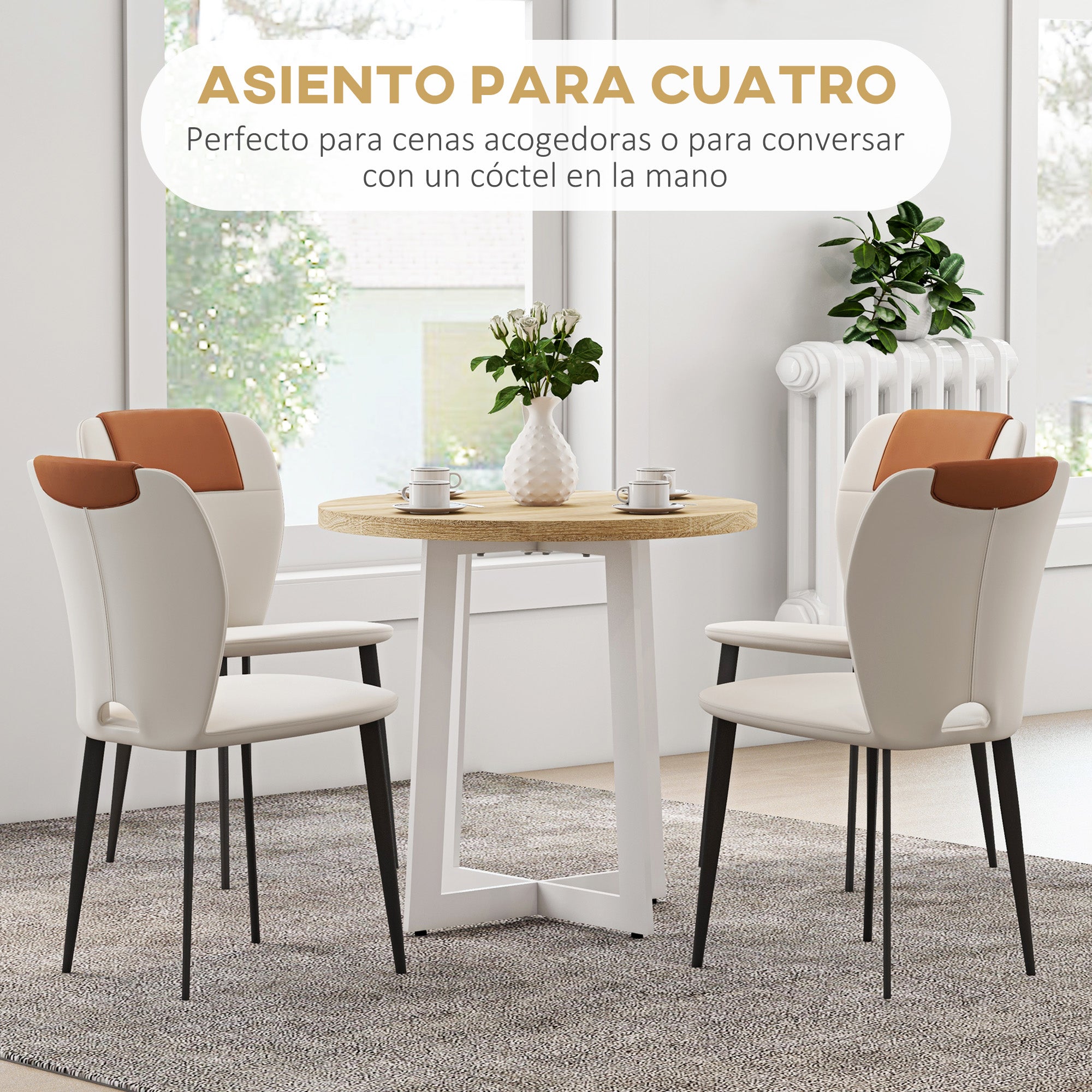
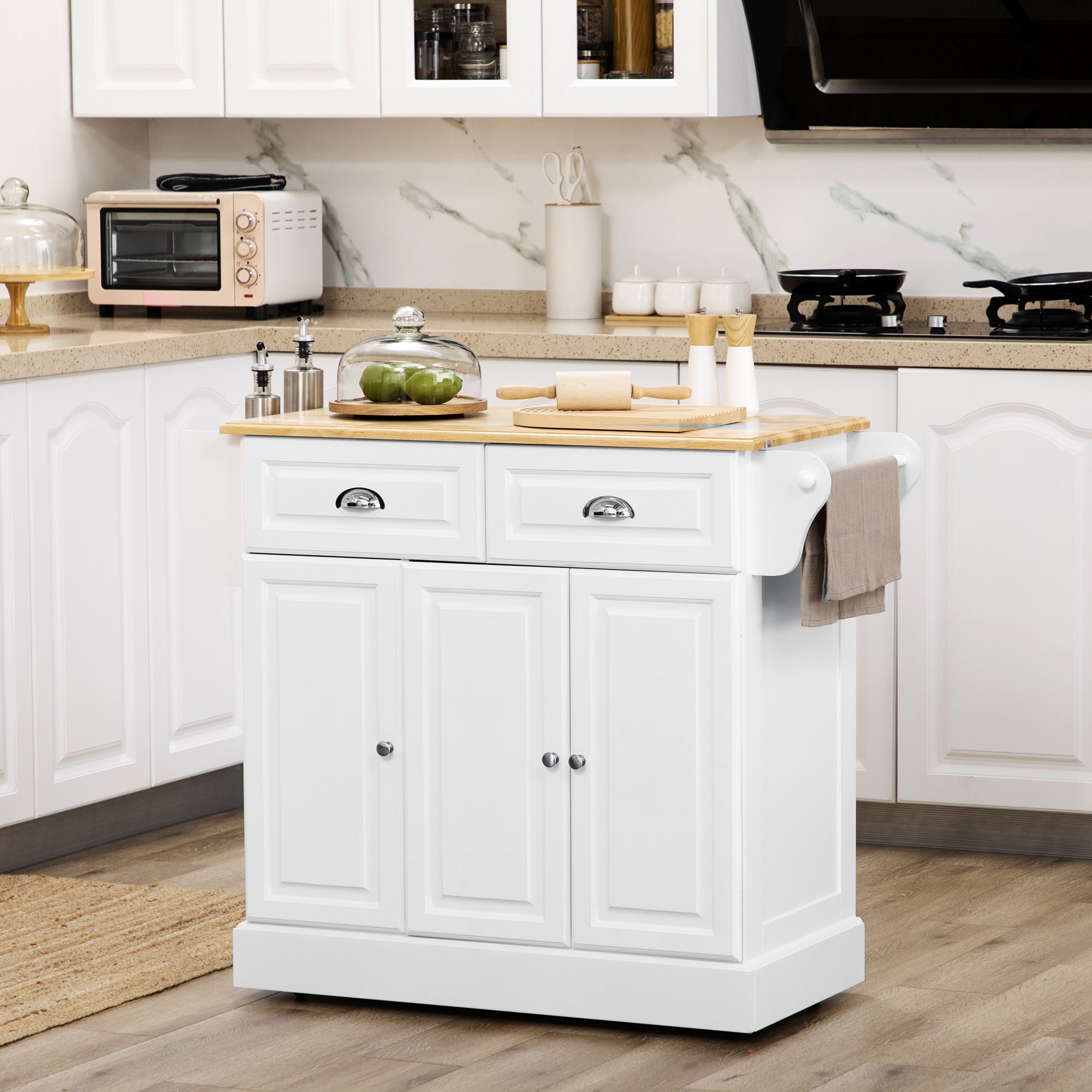
Using consistent materials or repeating elements—such as wood tones, metal frames, or fabric textures—helps unify the space. Choosing dining furniture solutions that visually relate to your seating area can make even smaller homes feel more structured.
Storage That Doesn’t Interrupt the Space
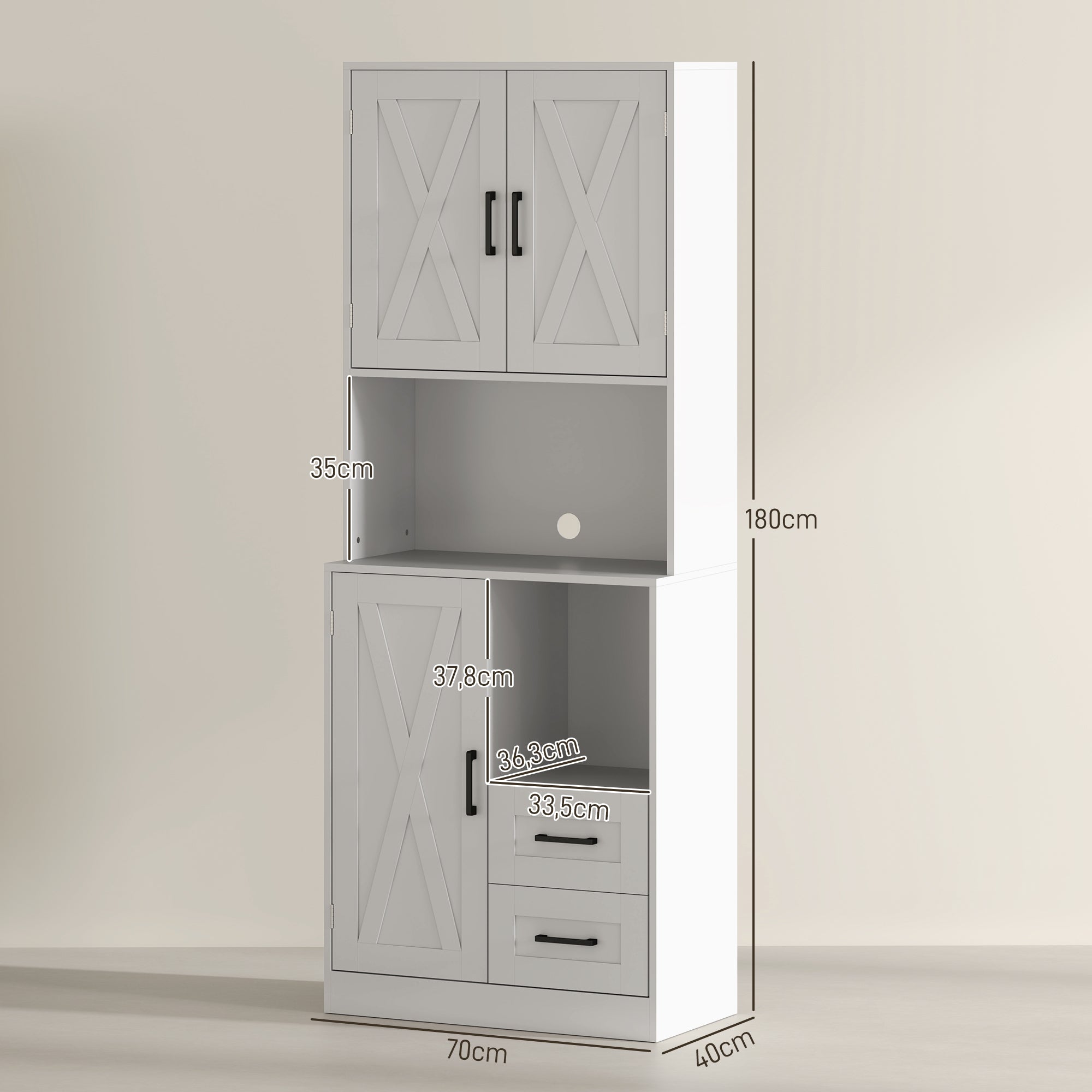
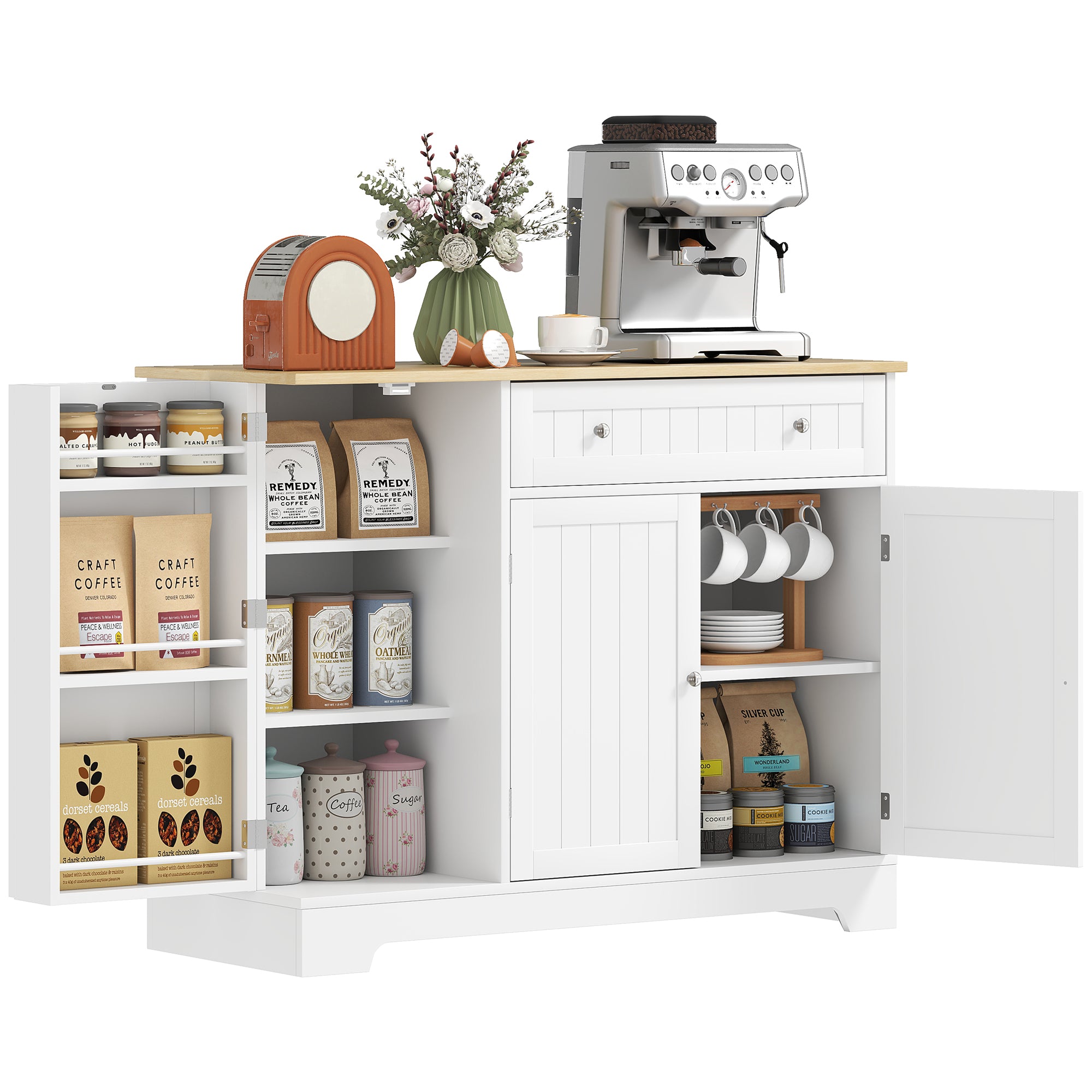
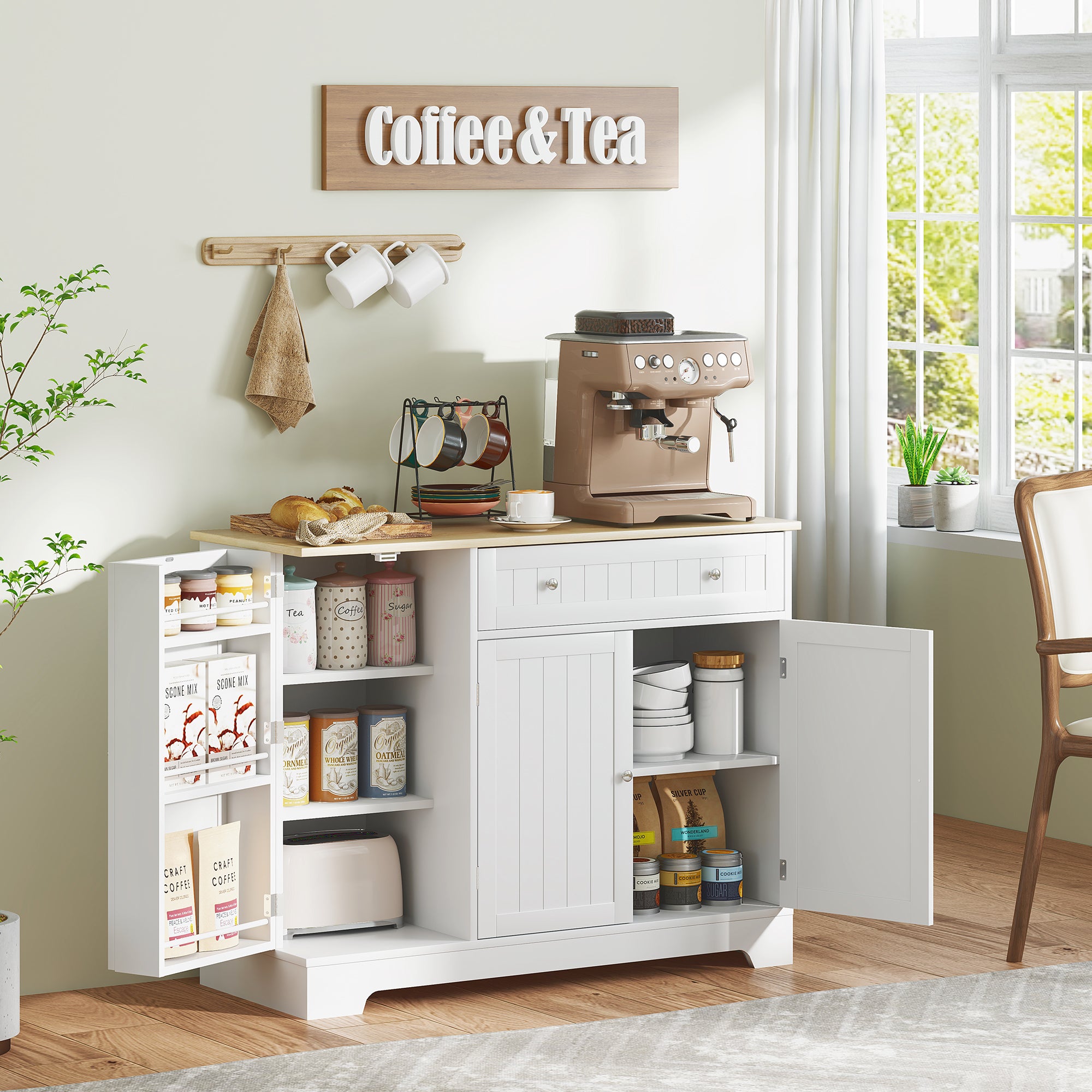
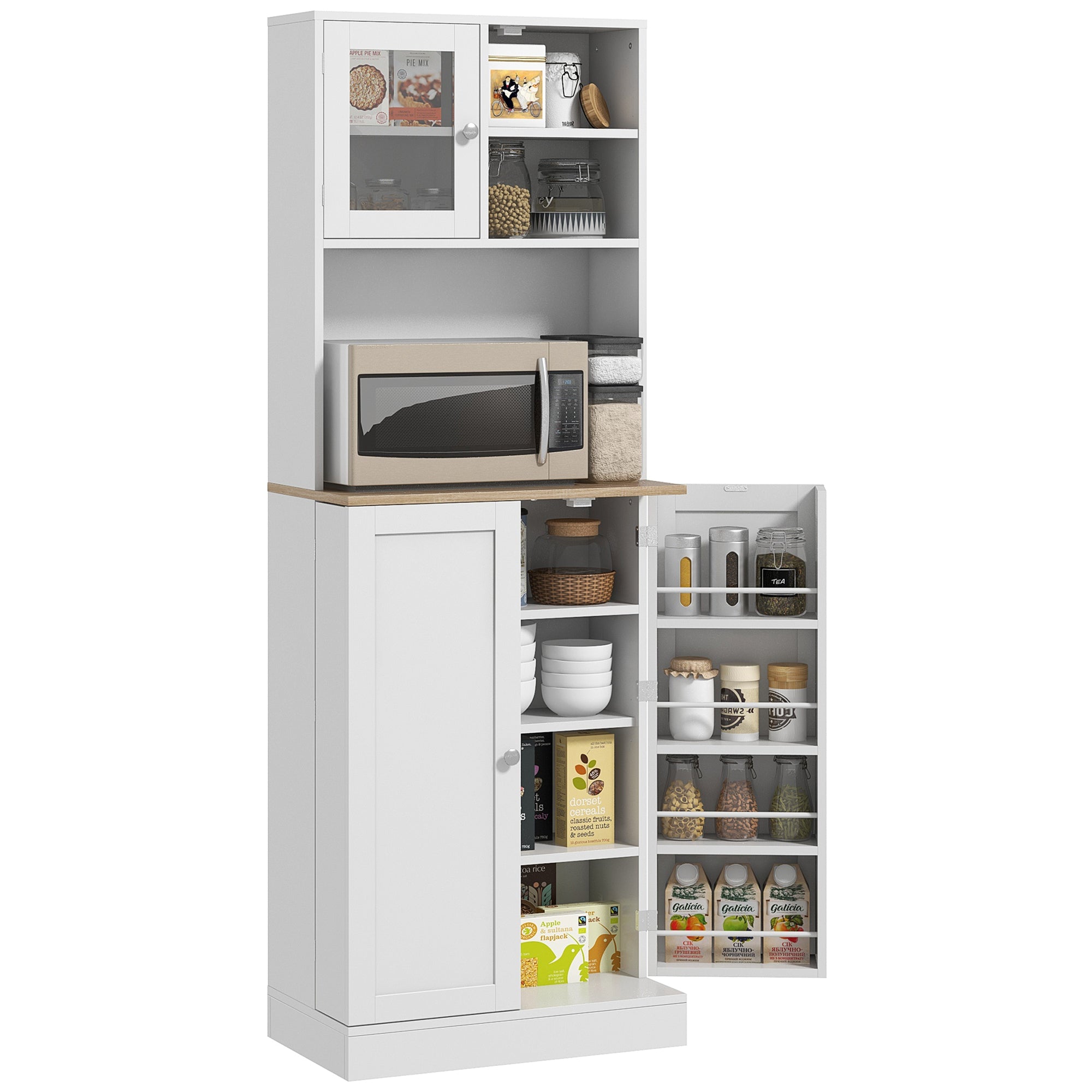
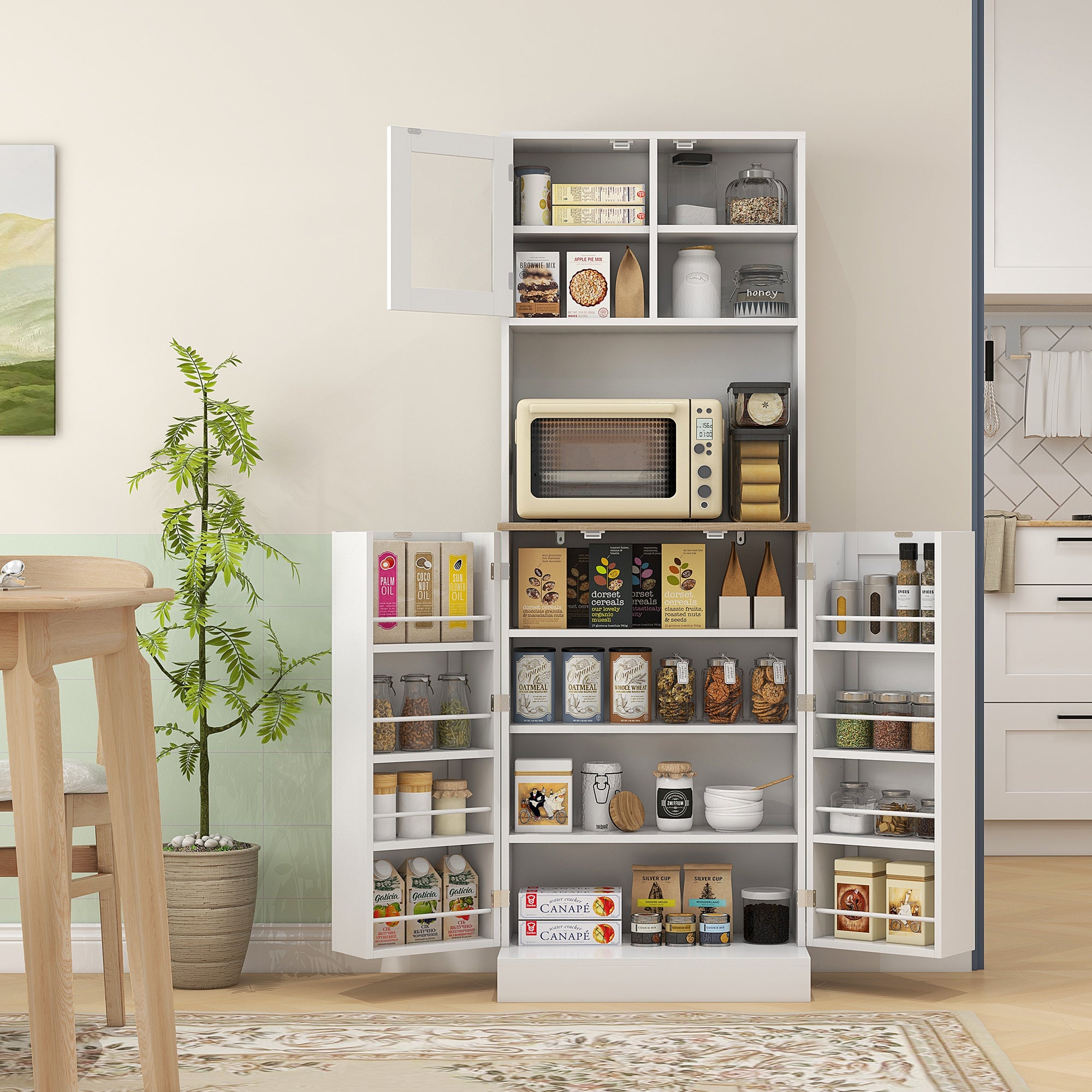
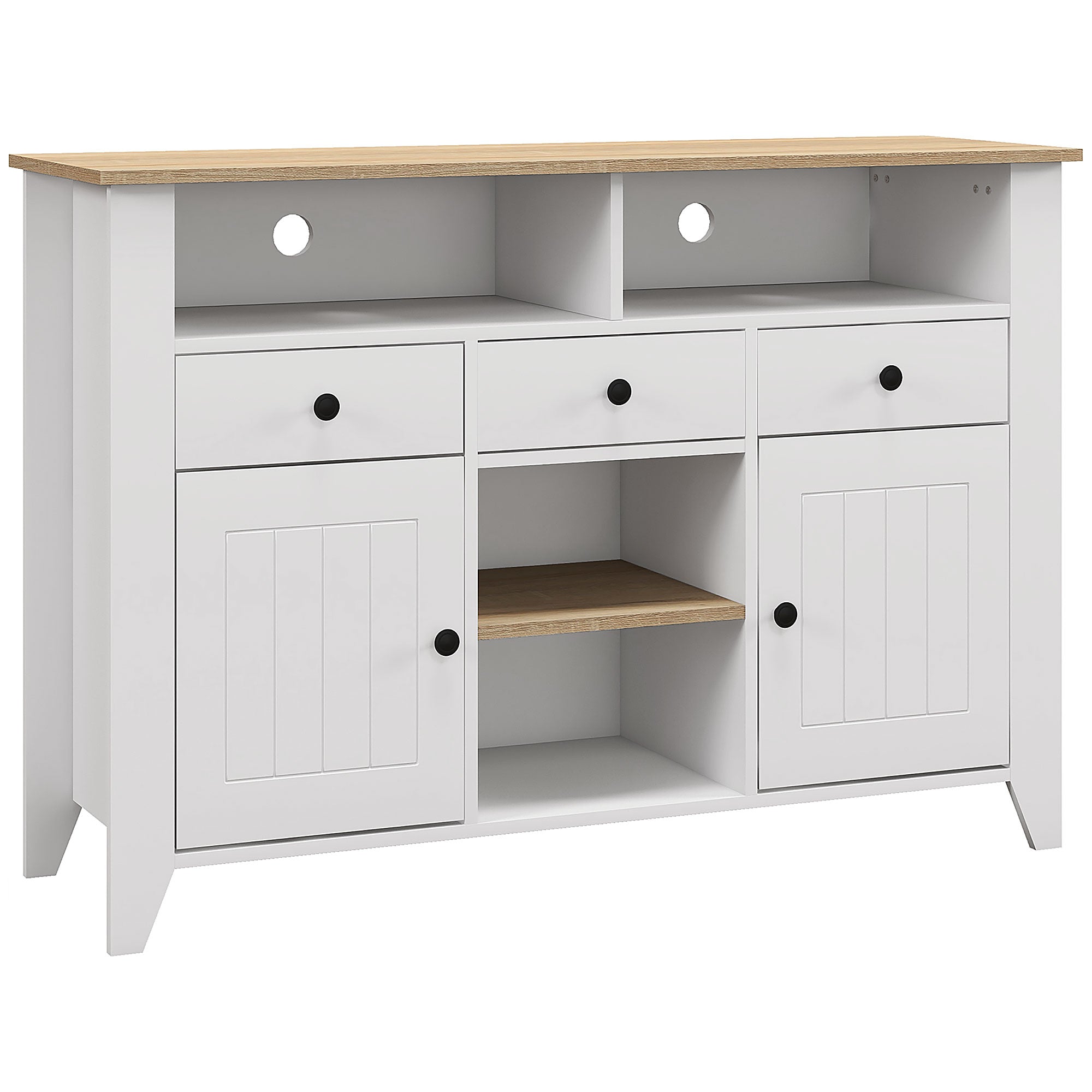
Storage works best when it disappears into the design. Instead of adding bulky units, integrate storage into everyday furniture.
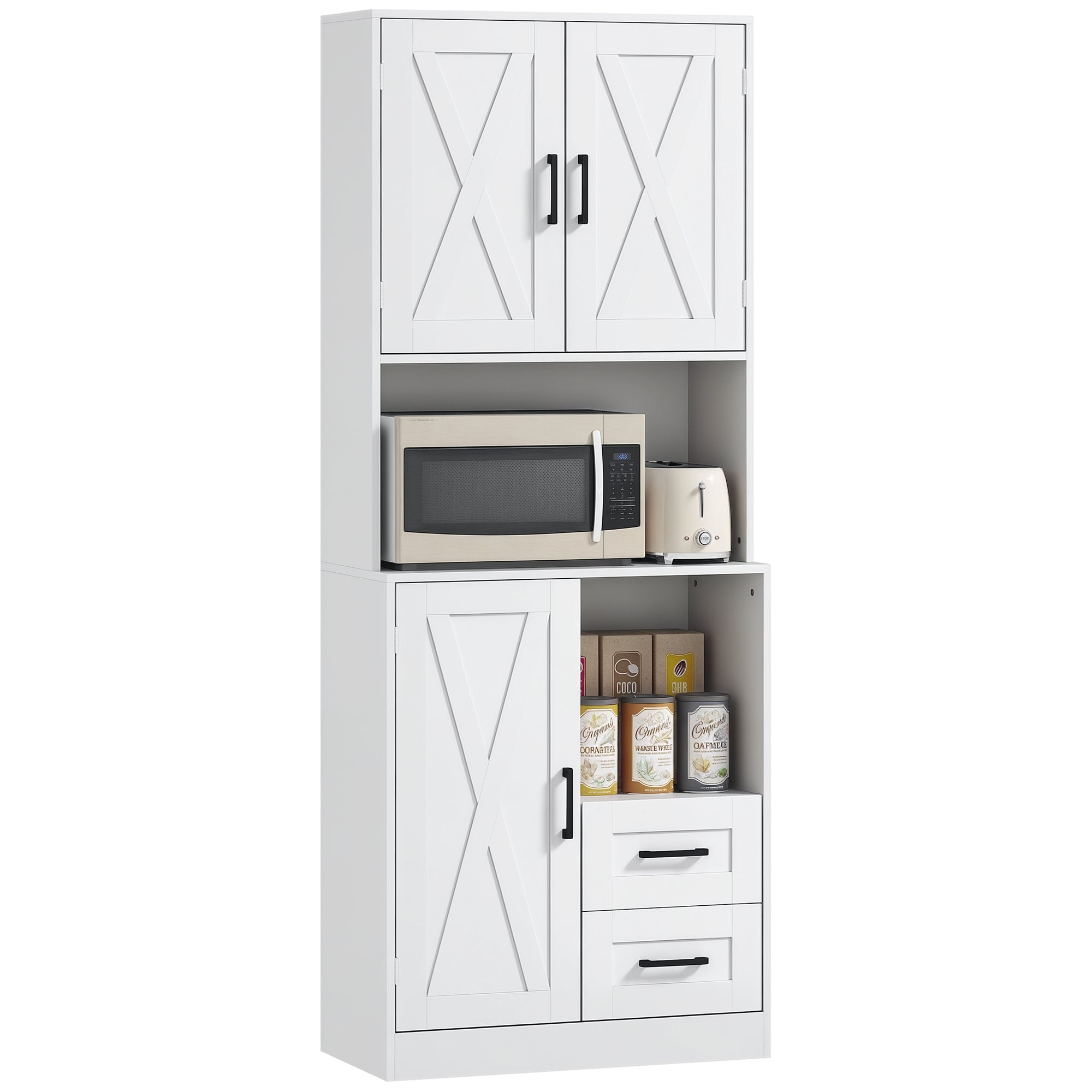
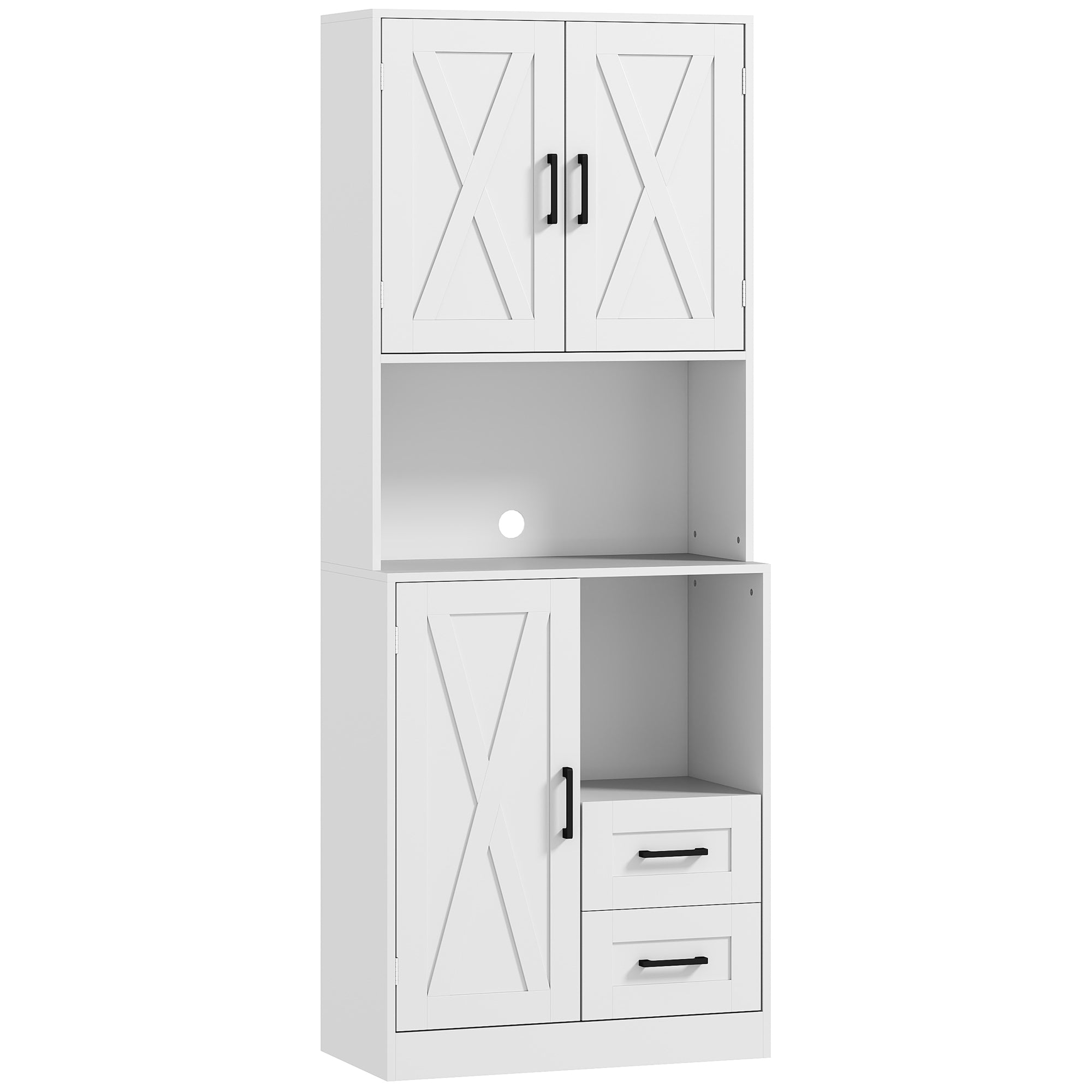
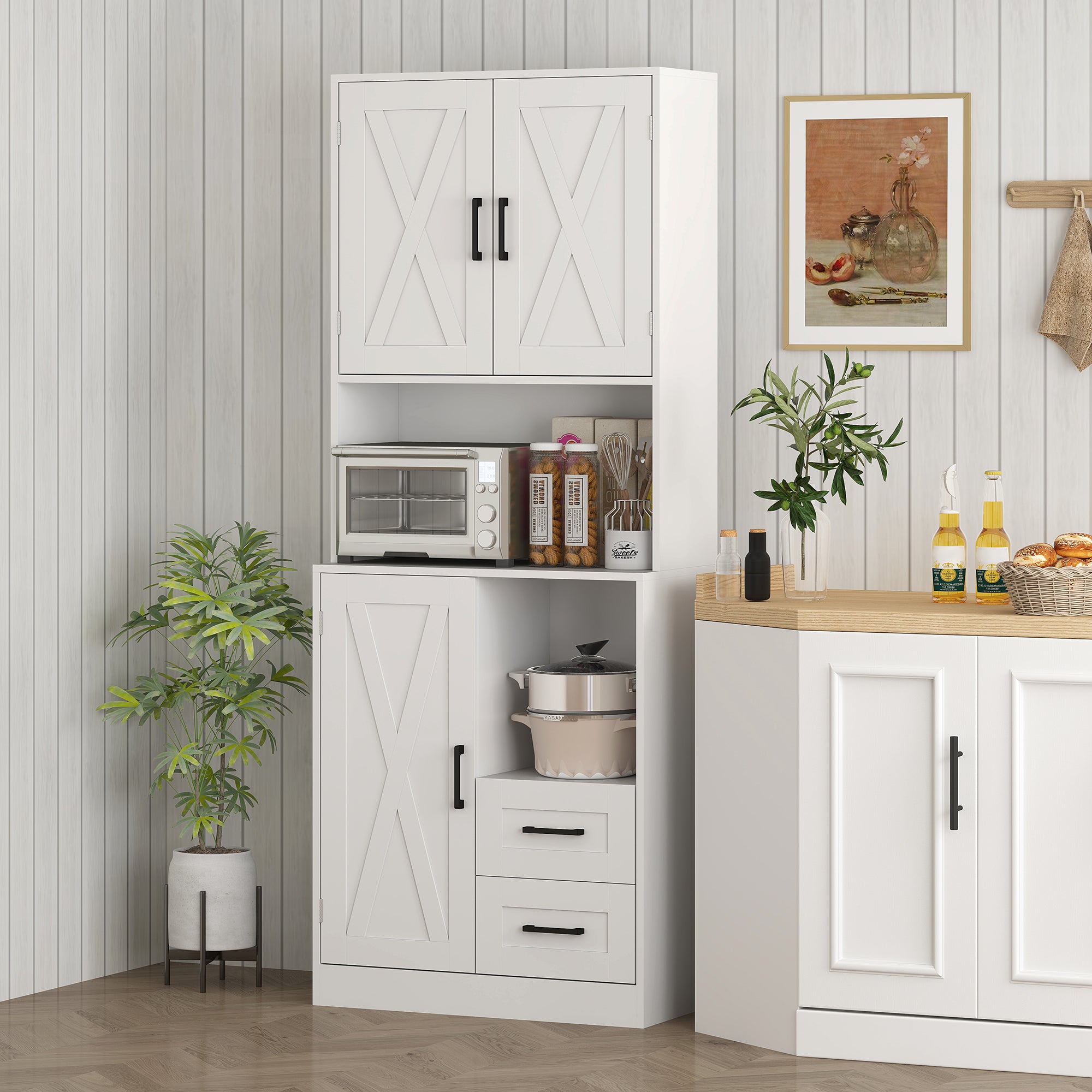
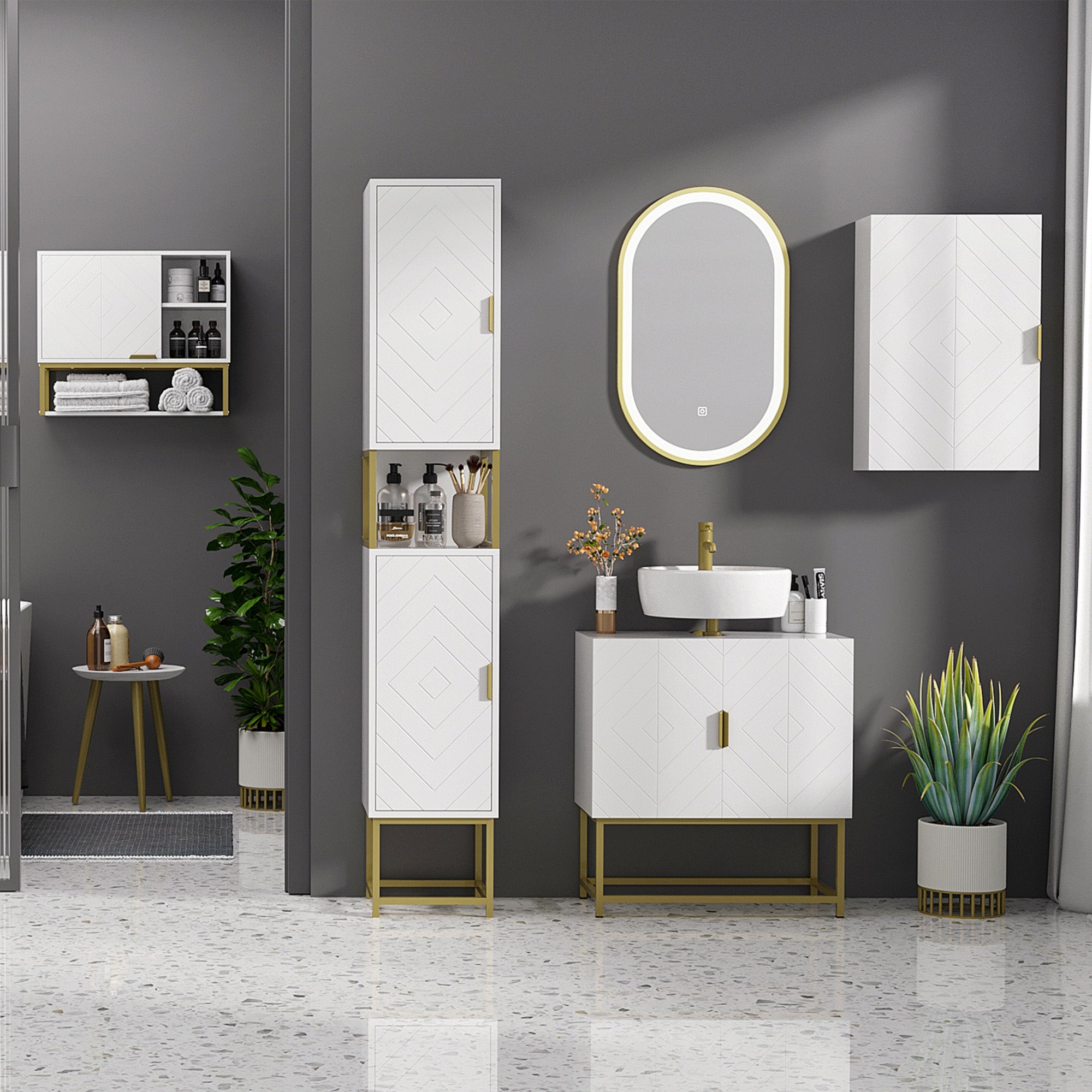
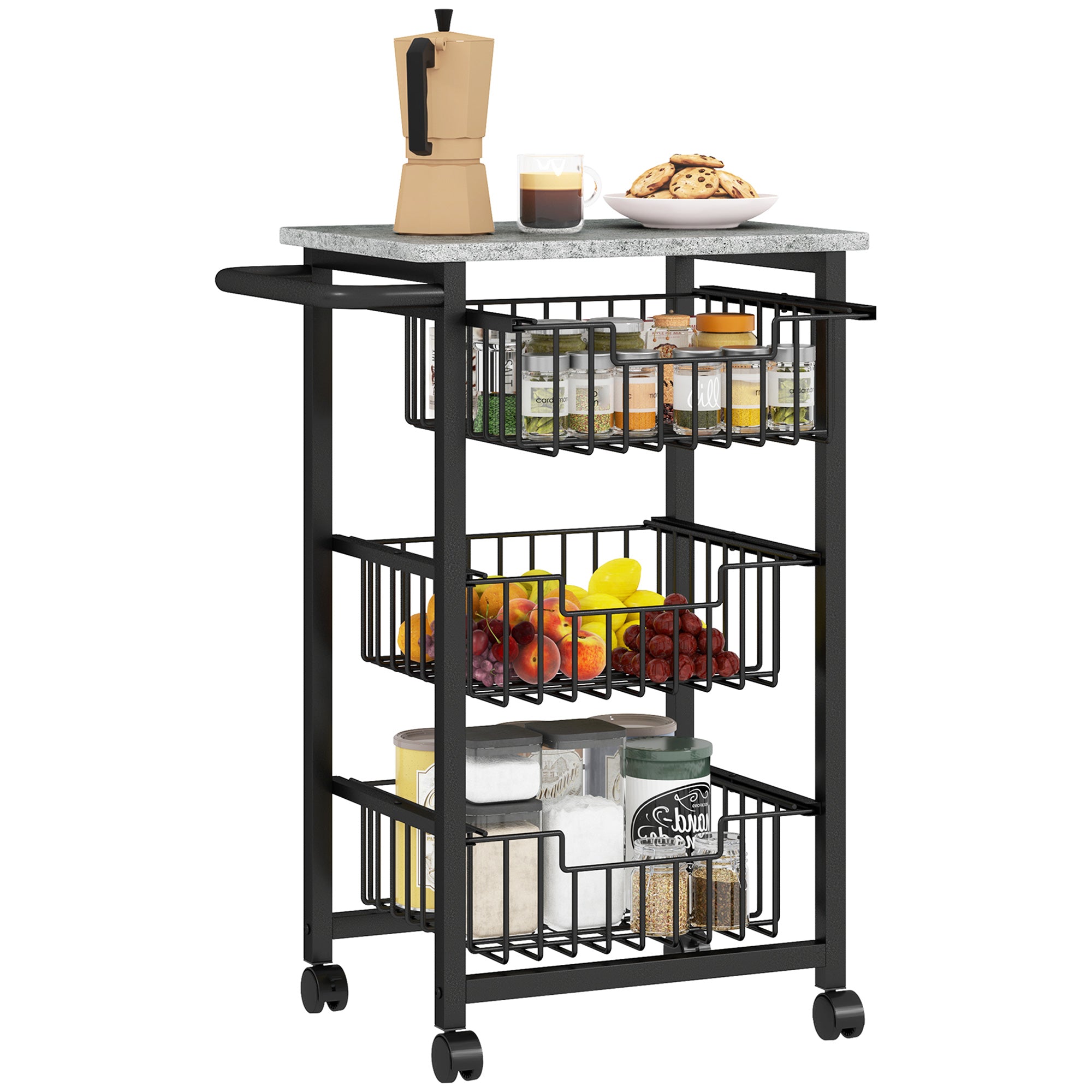
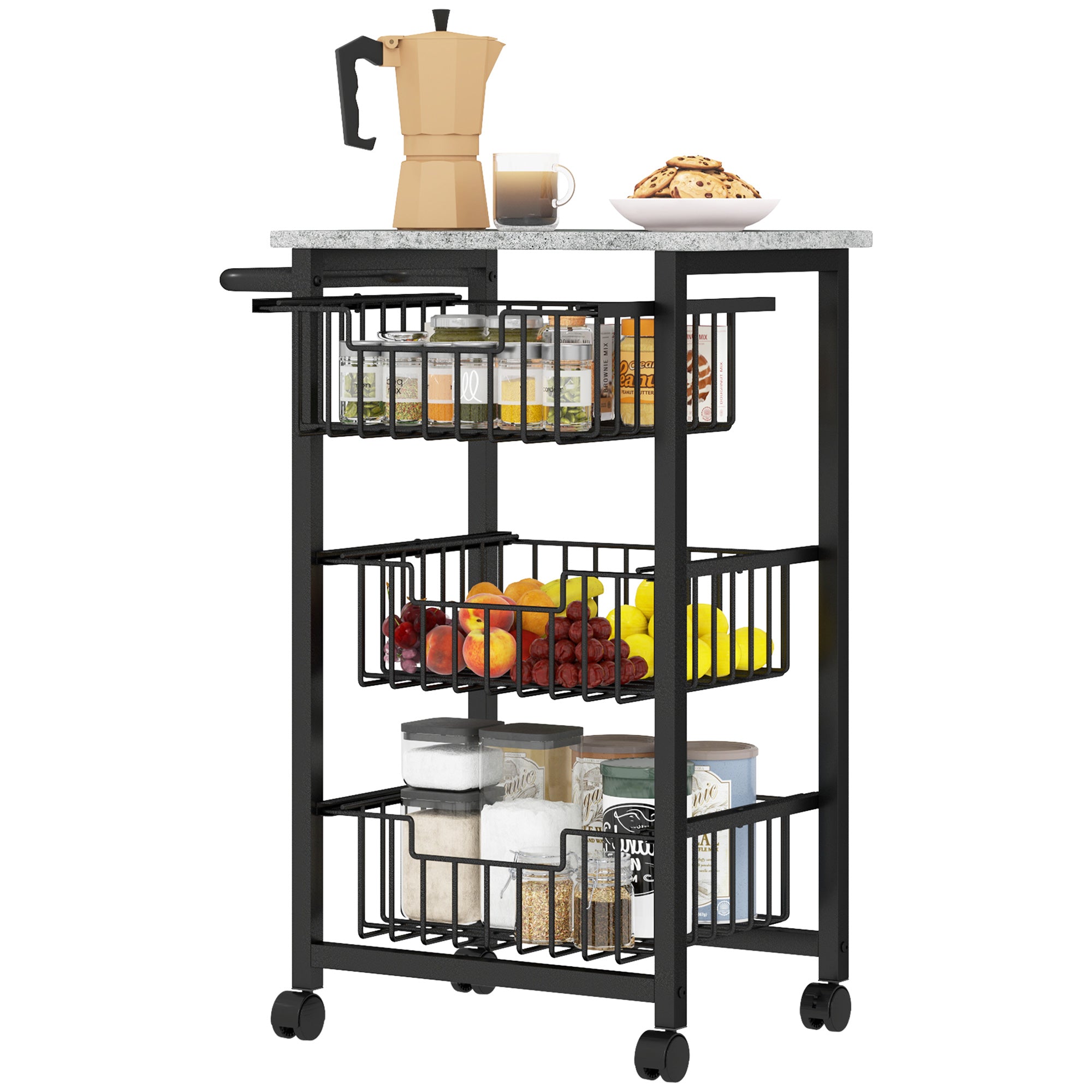
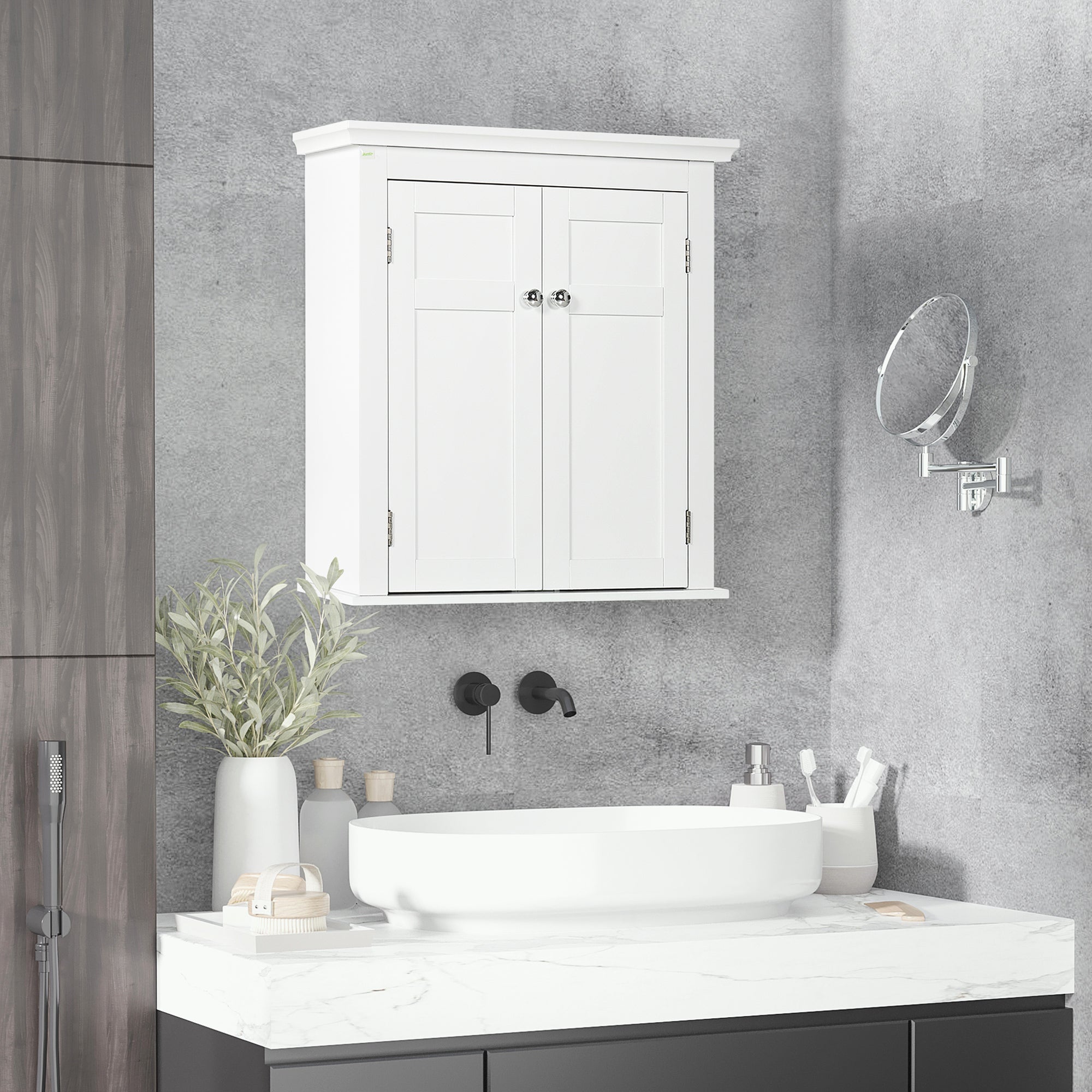
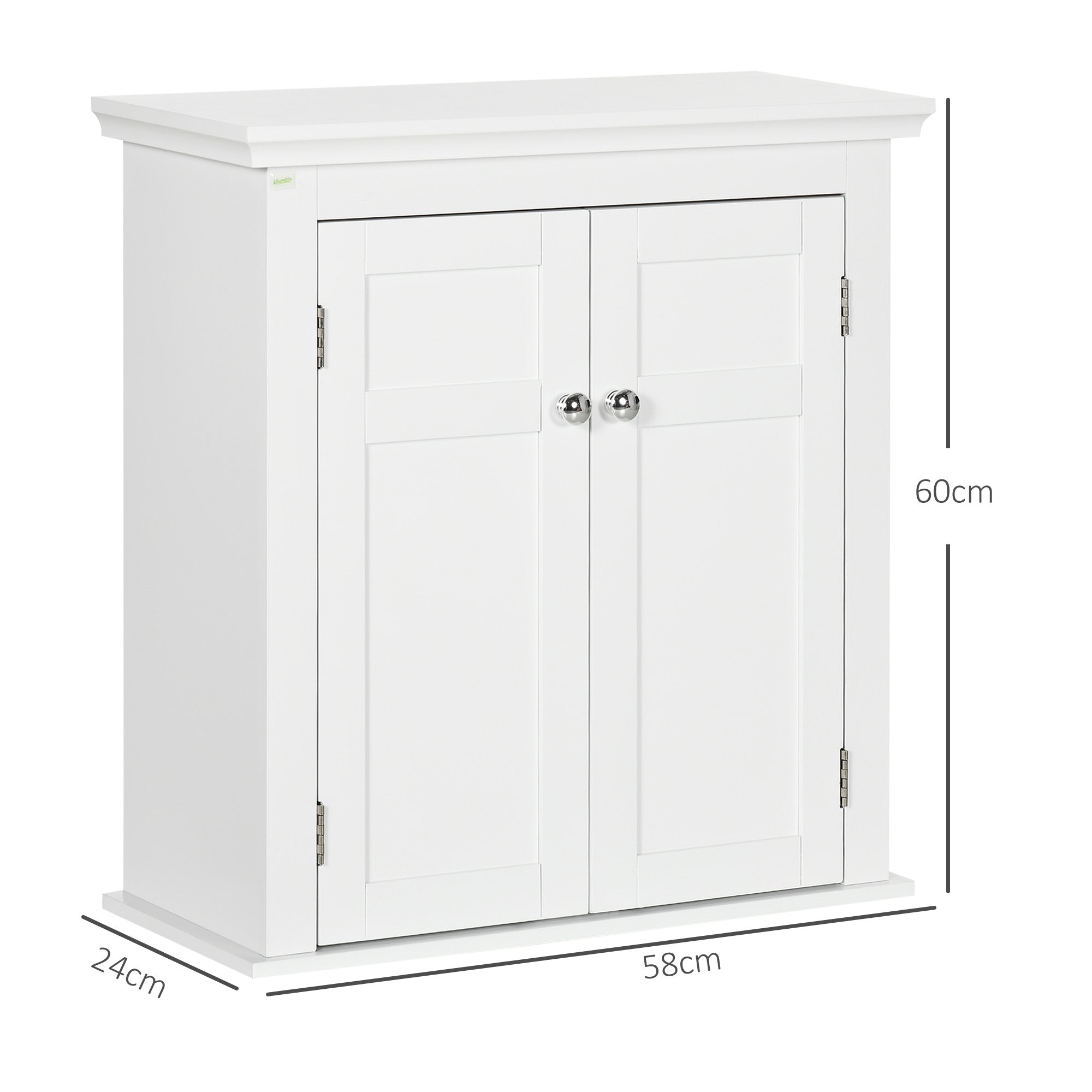
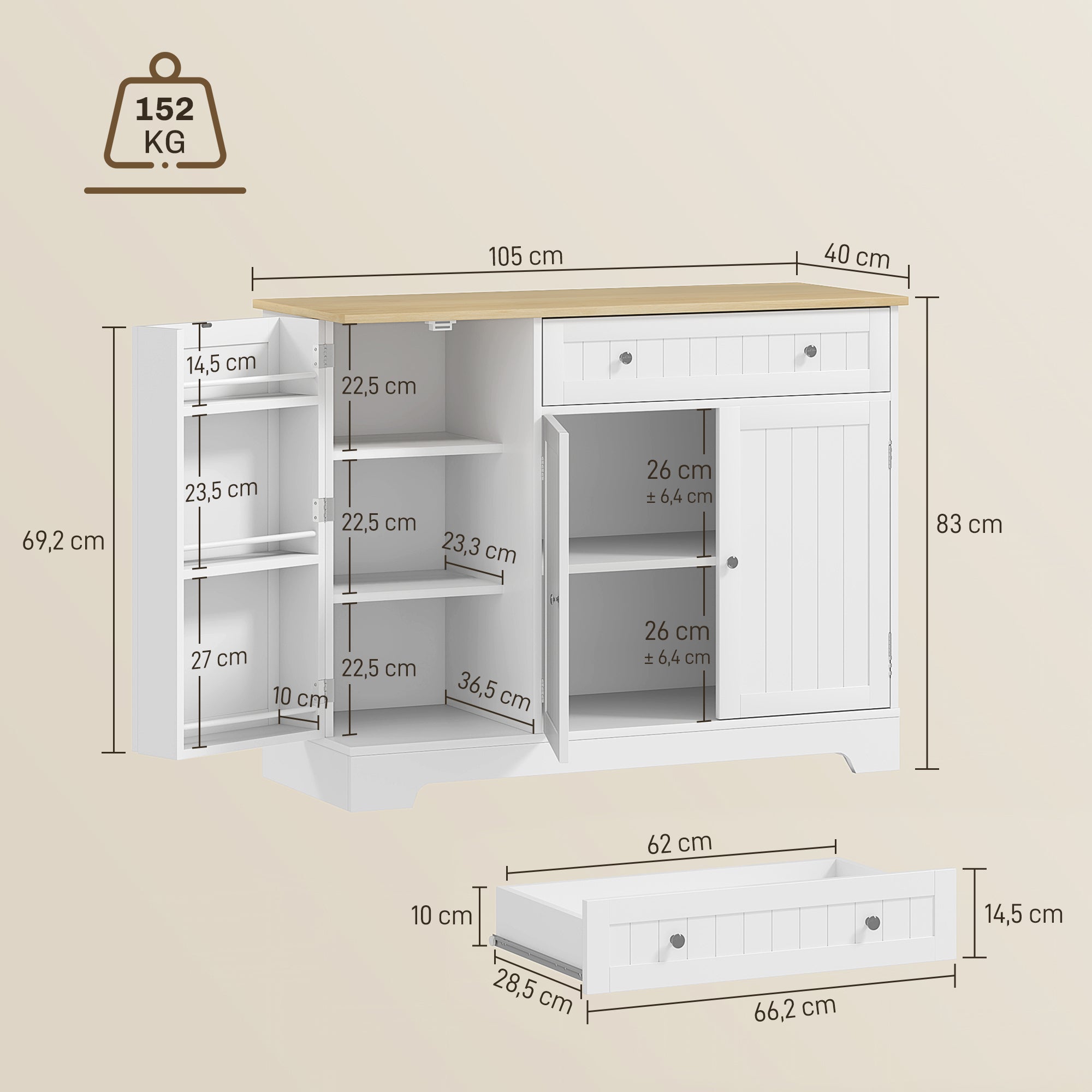
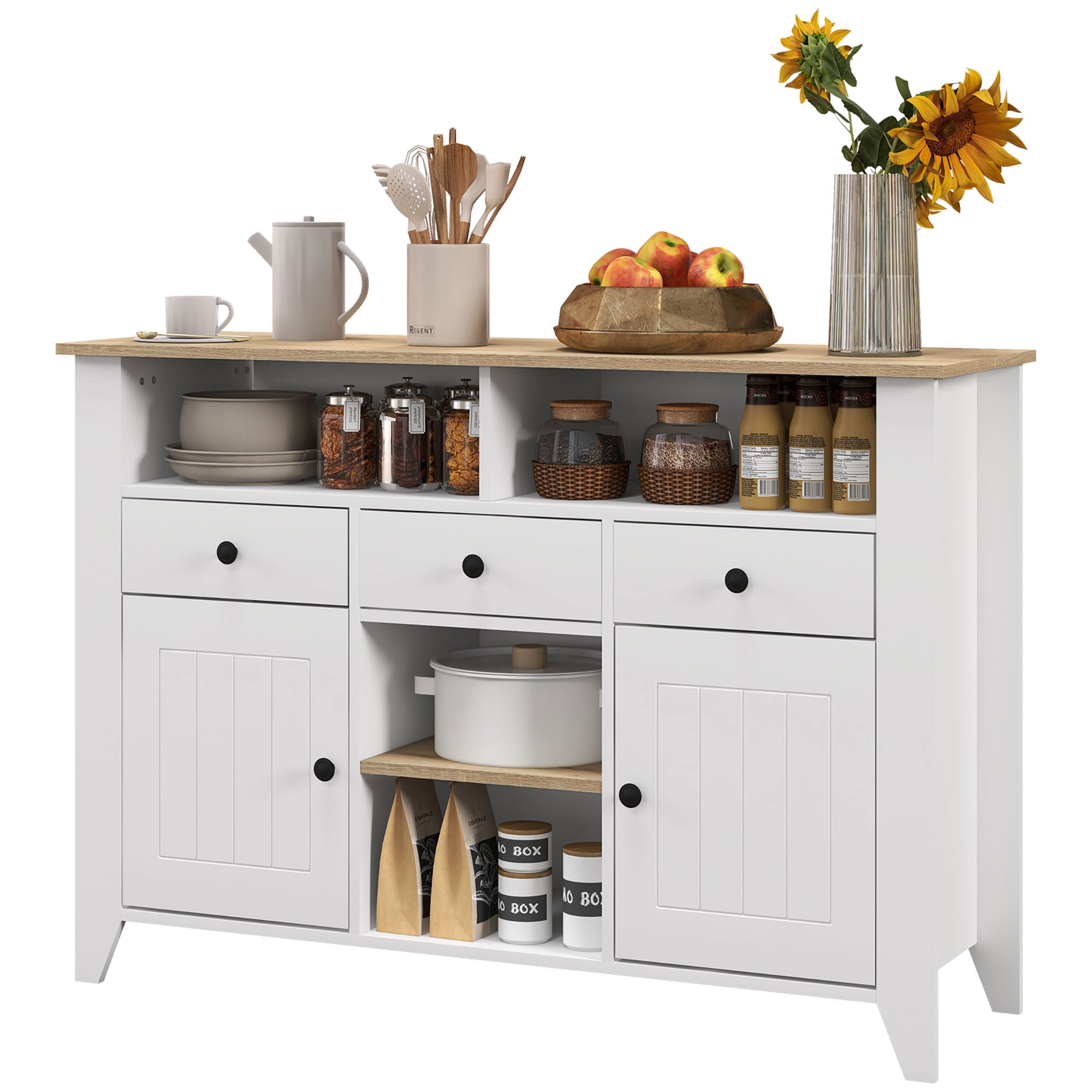
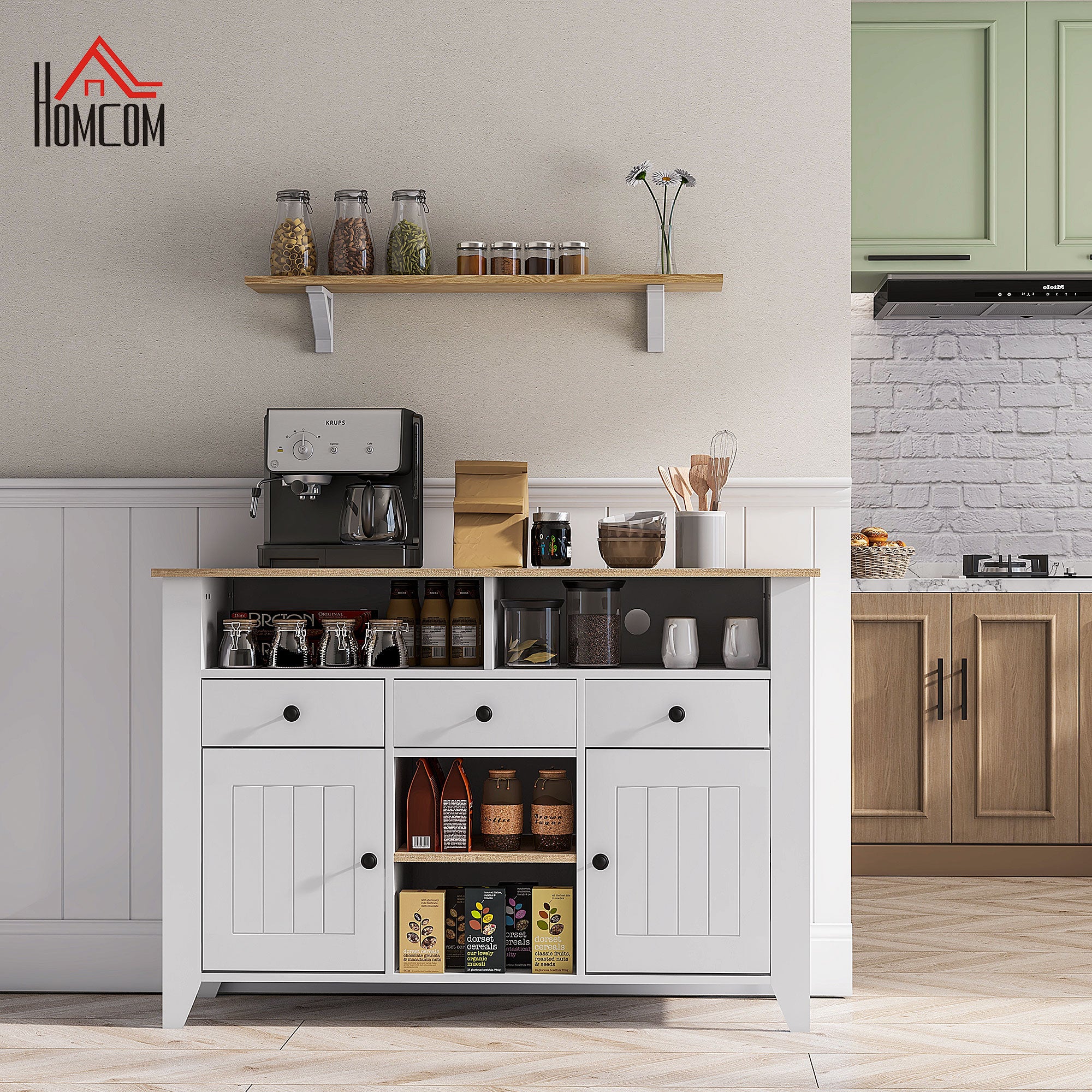
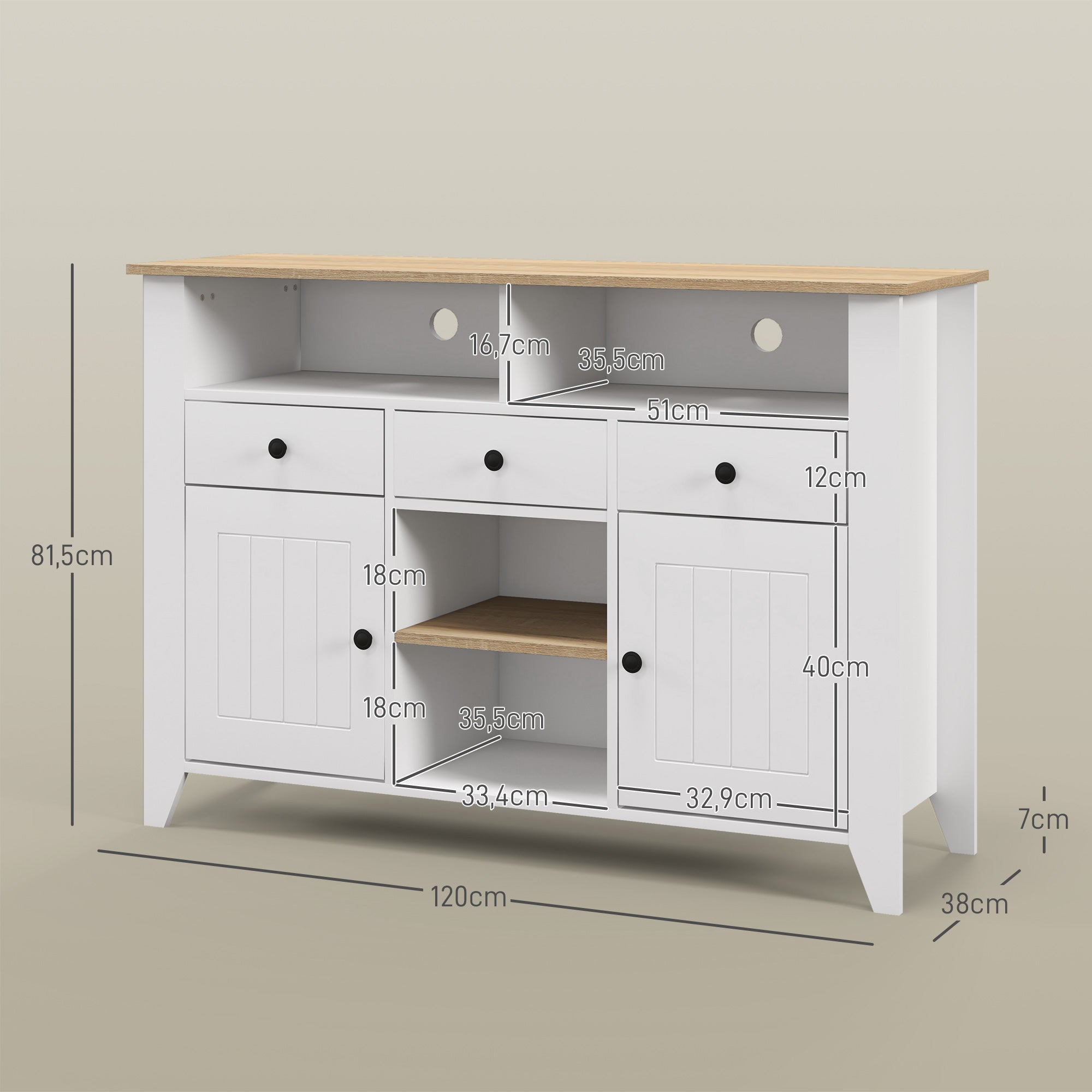
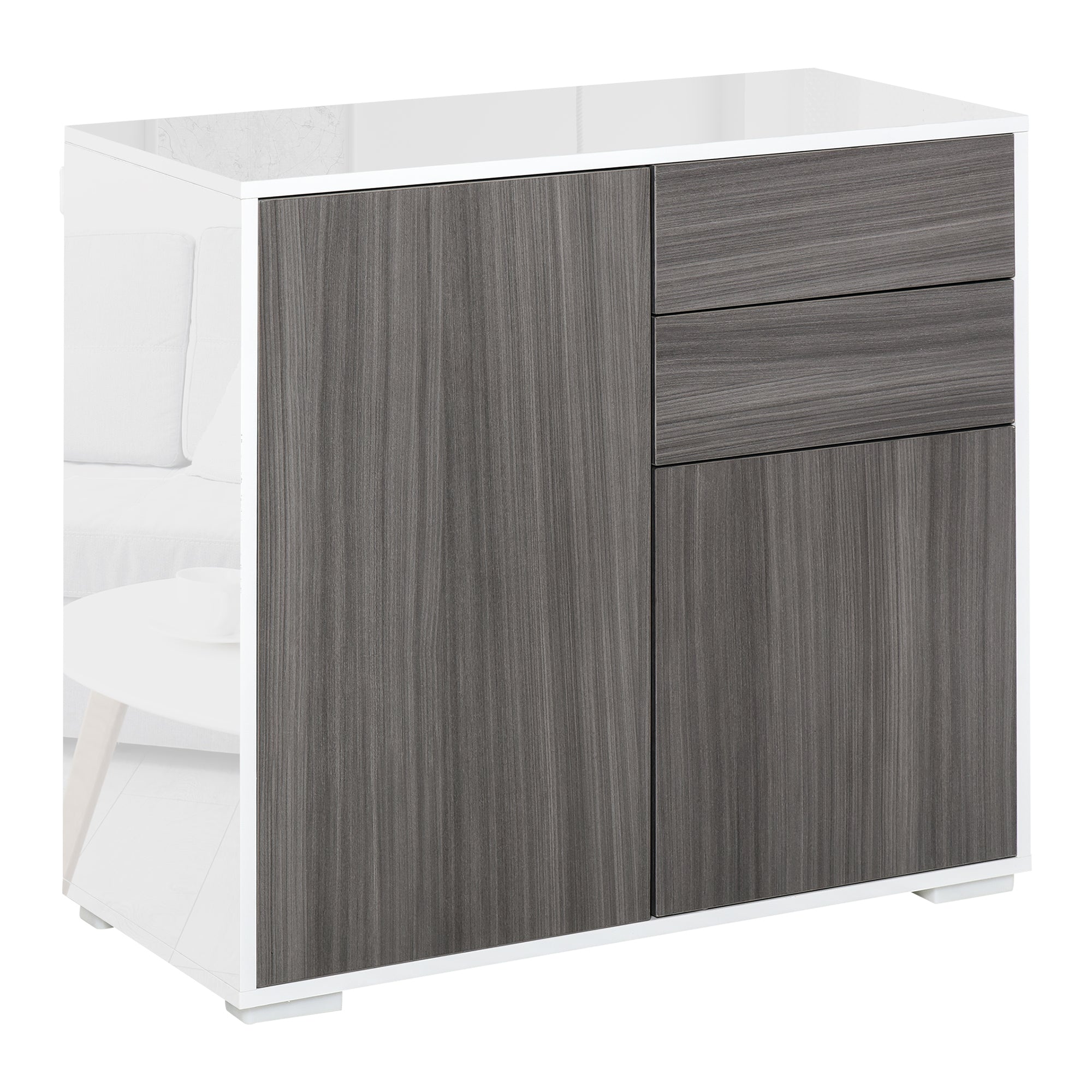
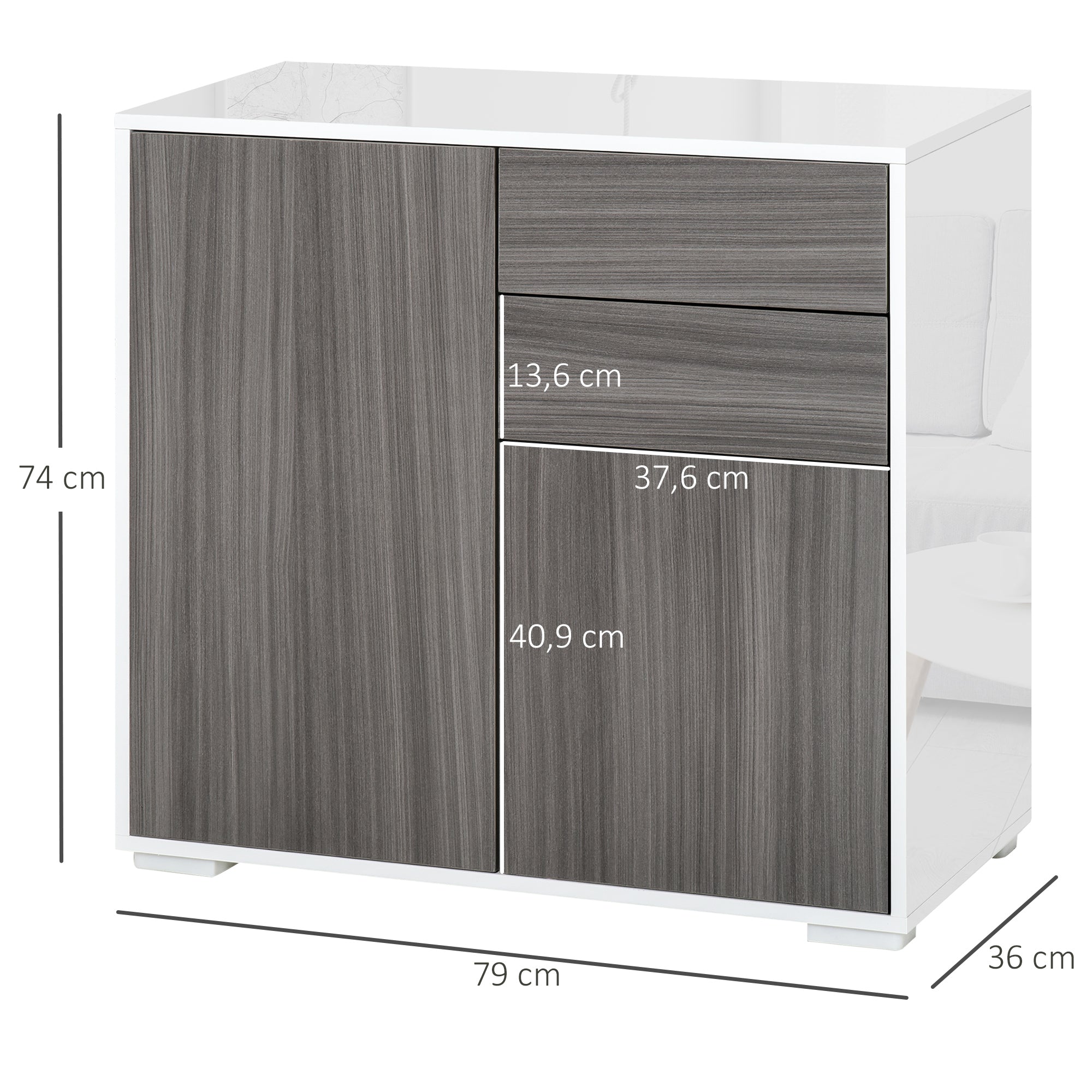
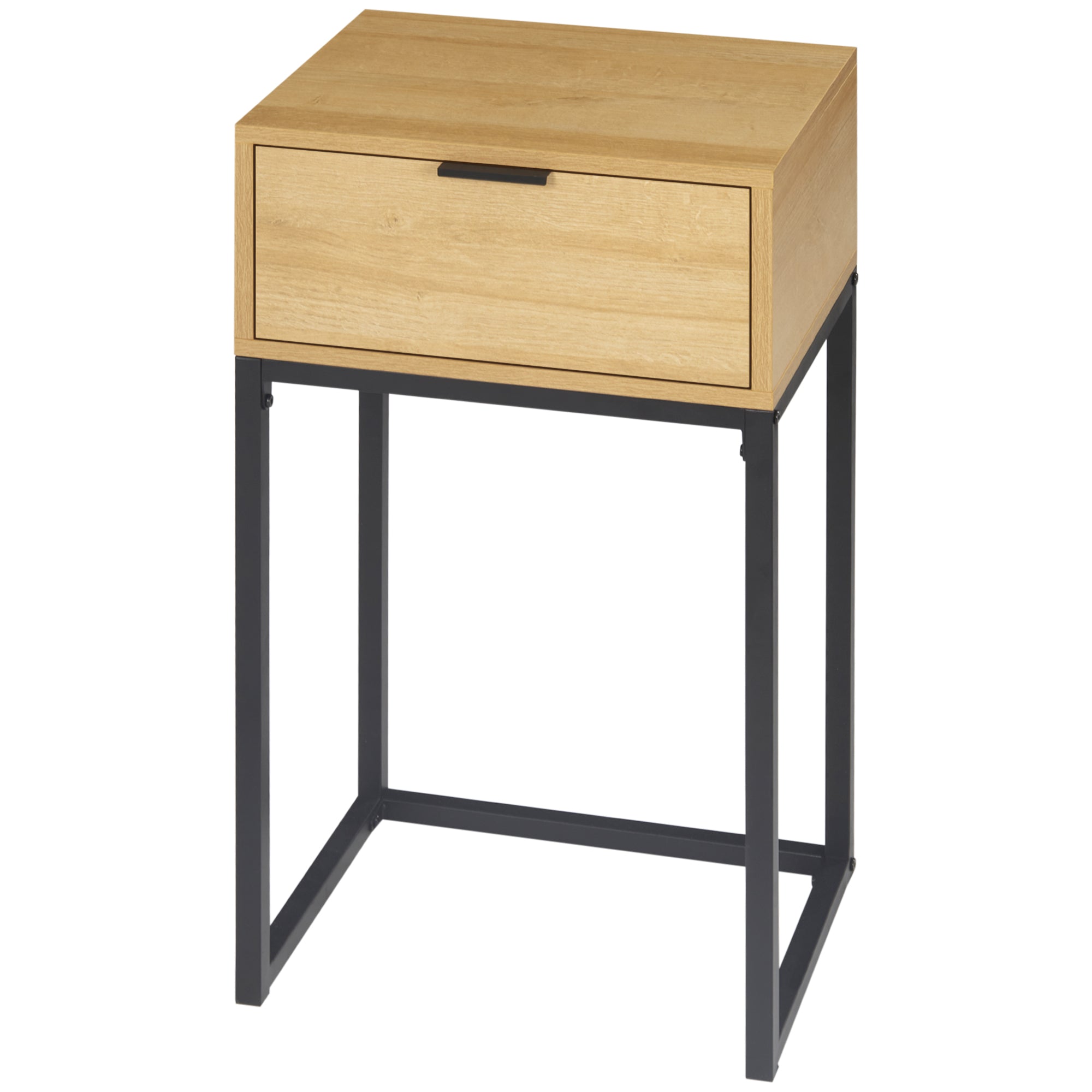
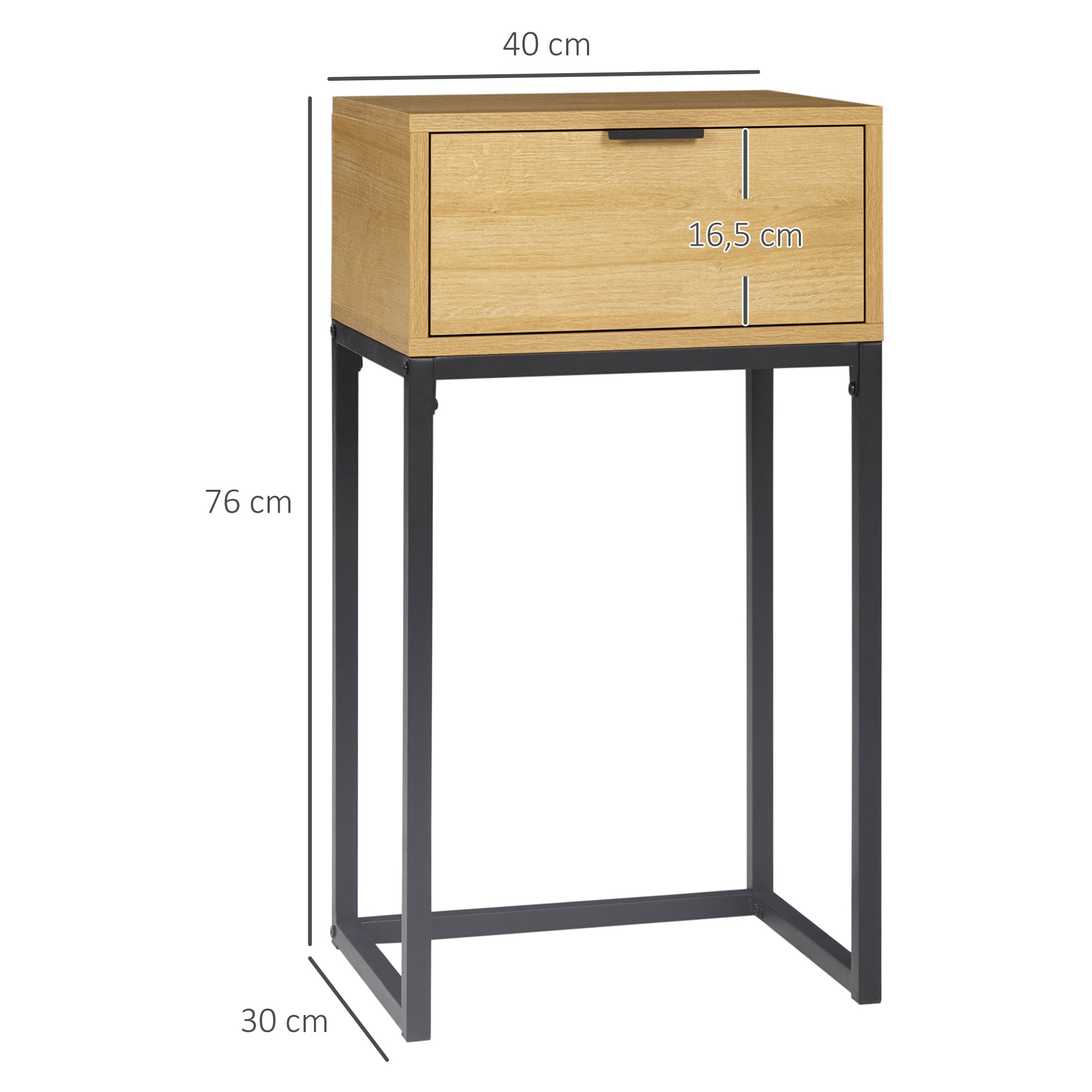
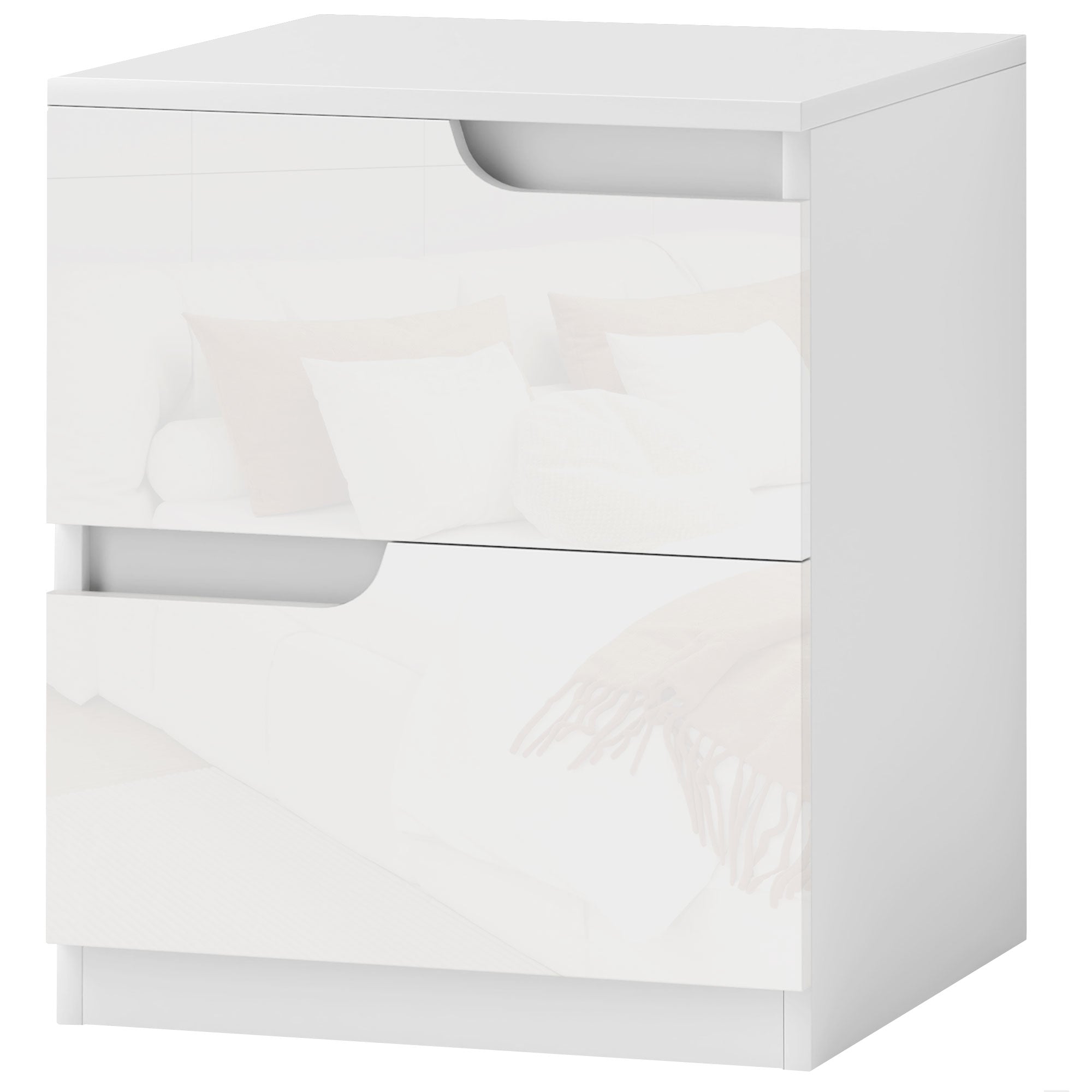
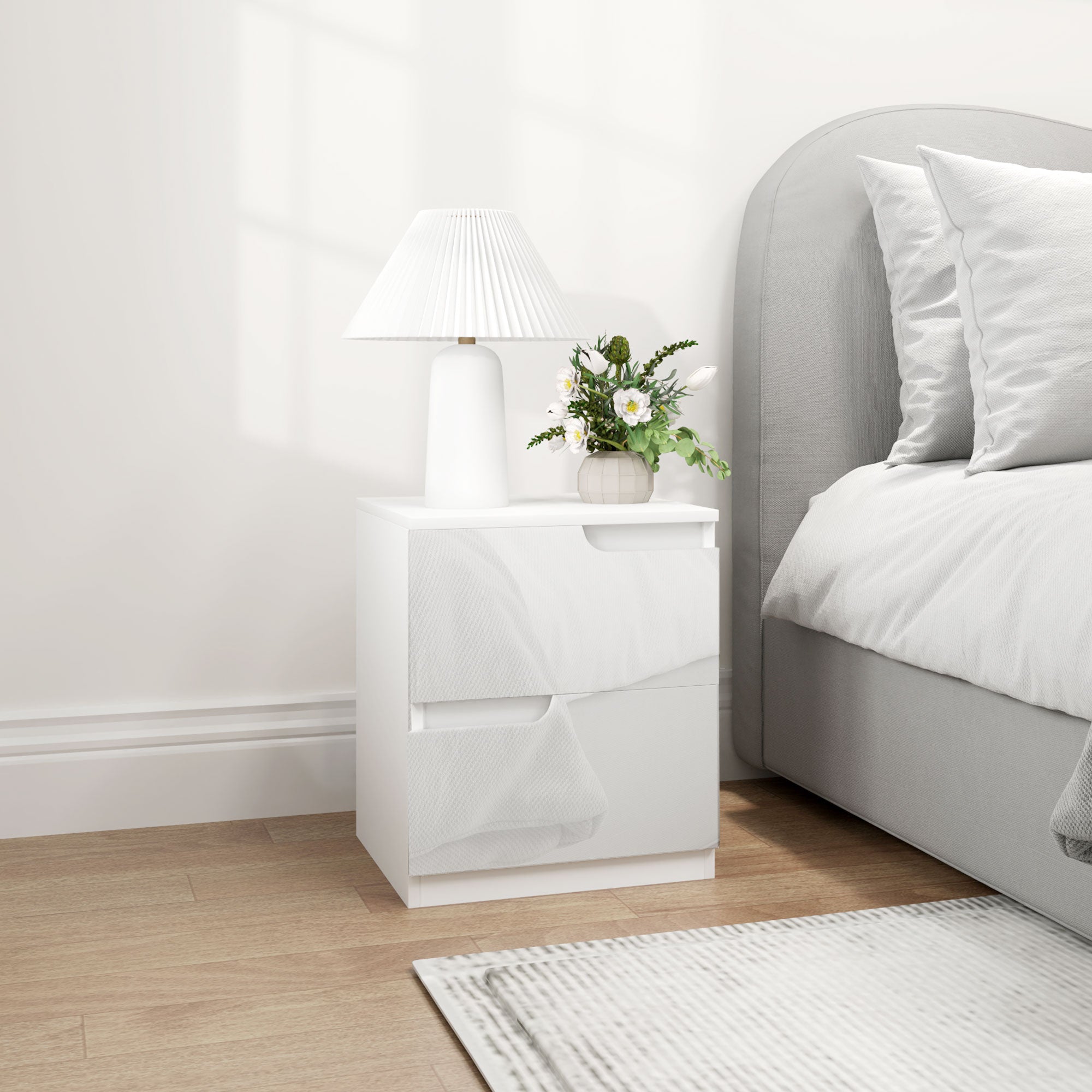
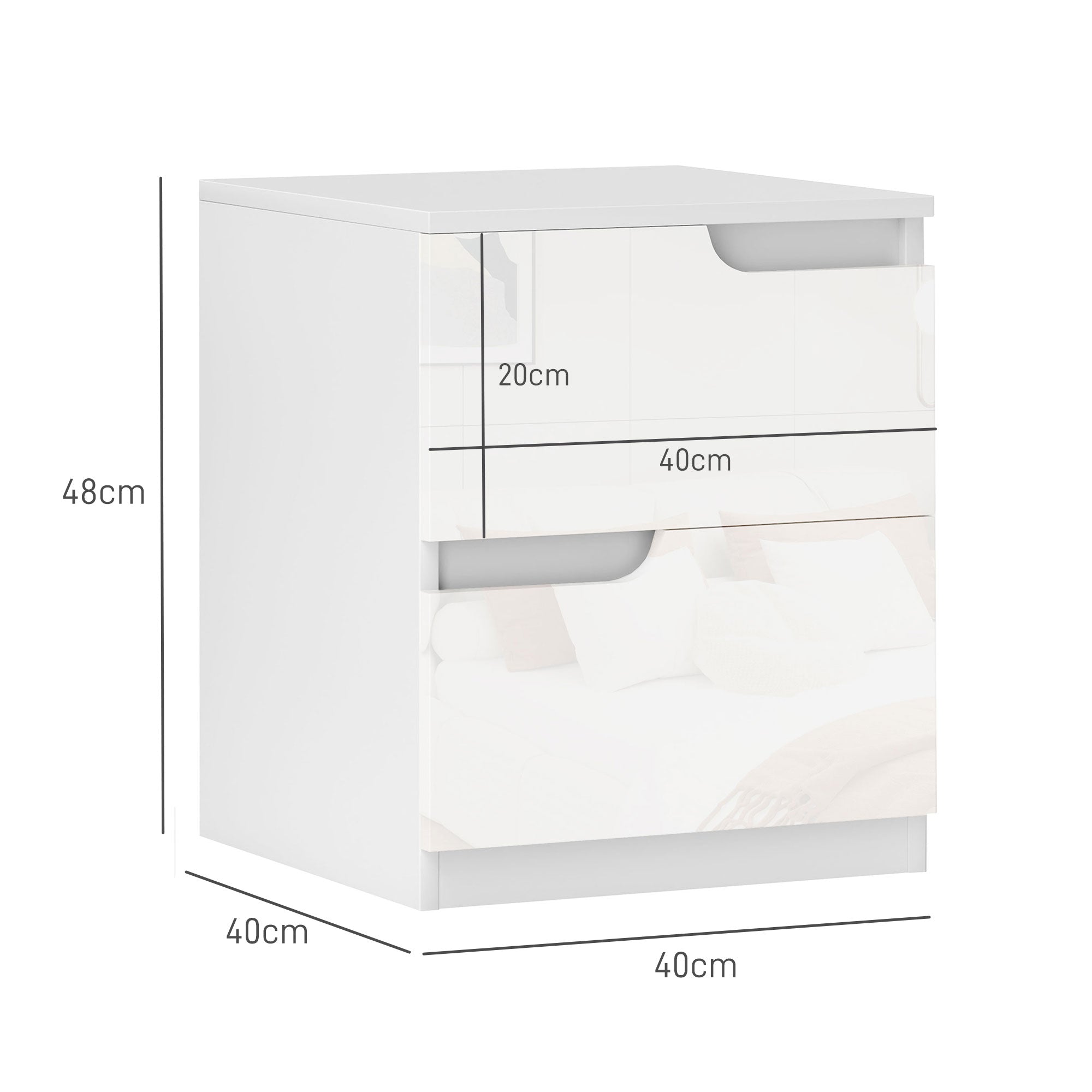
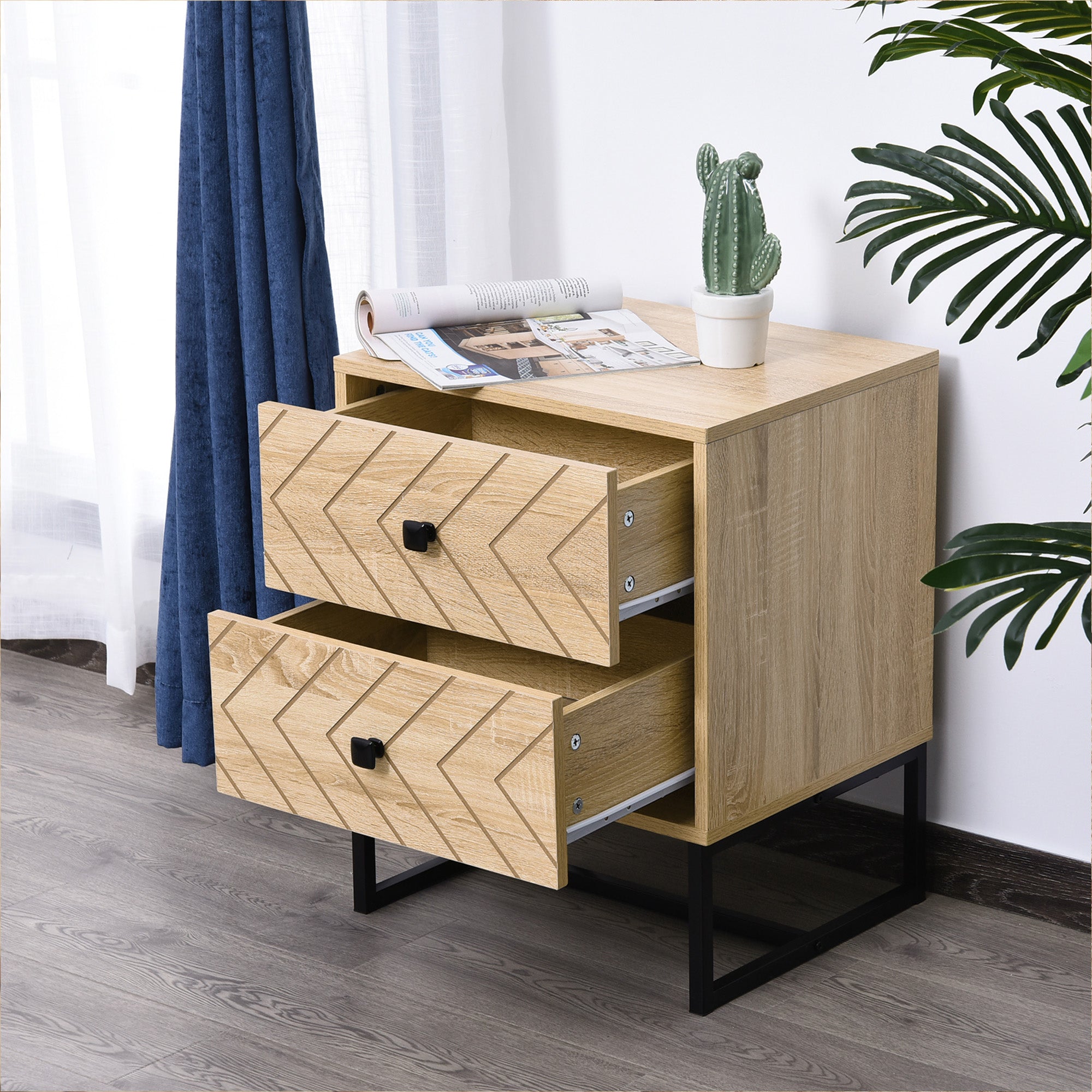
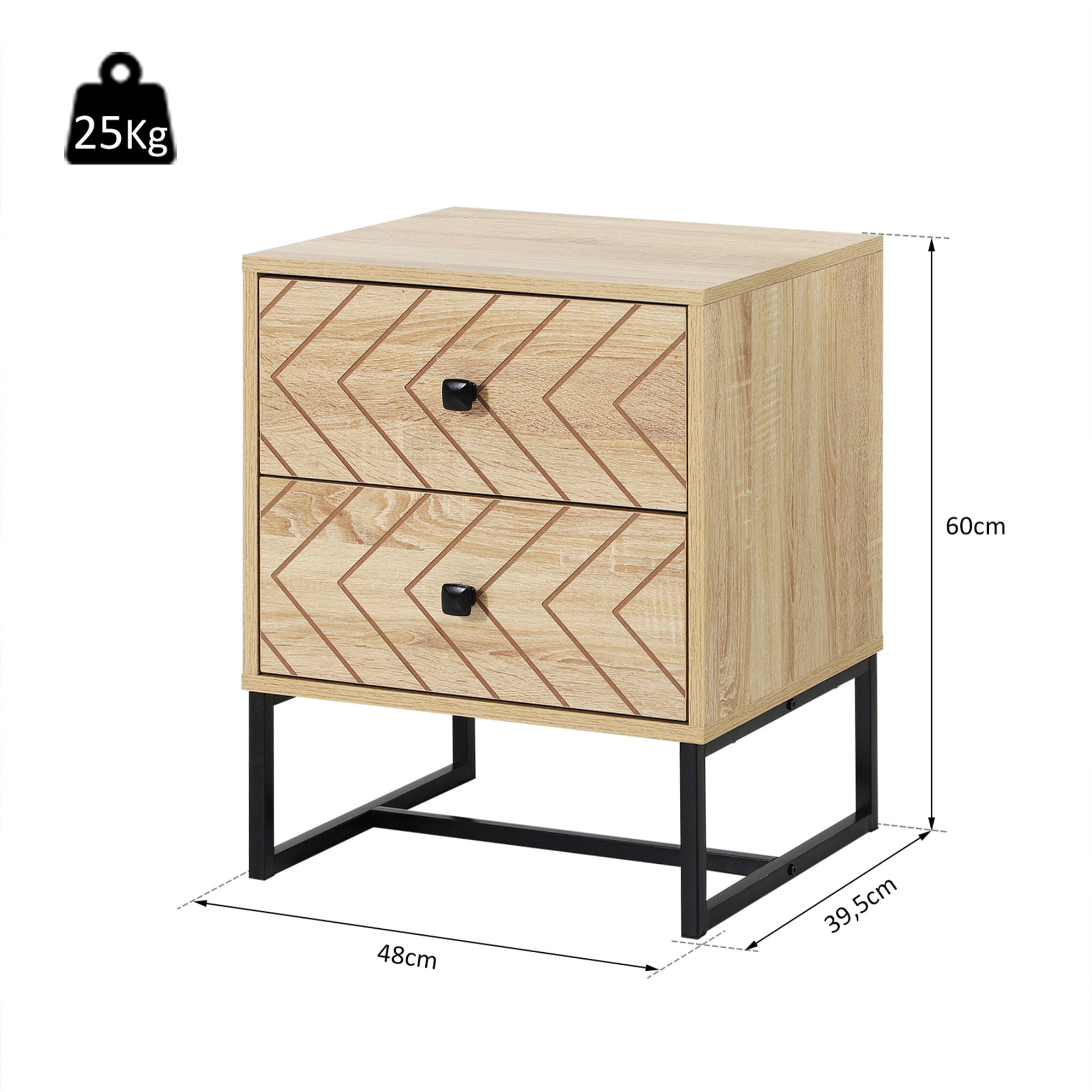
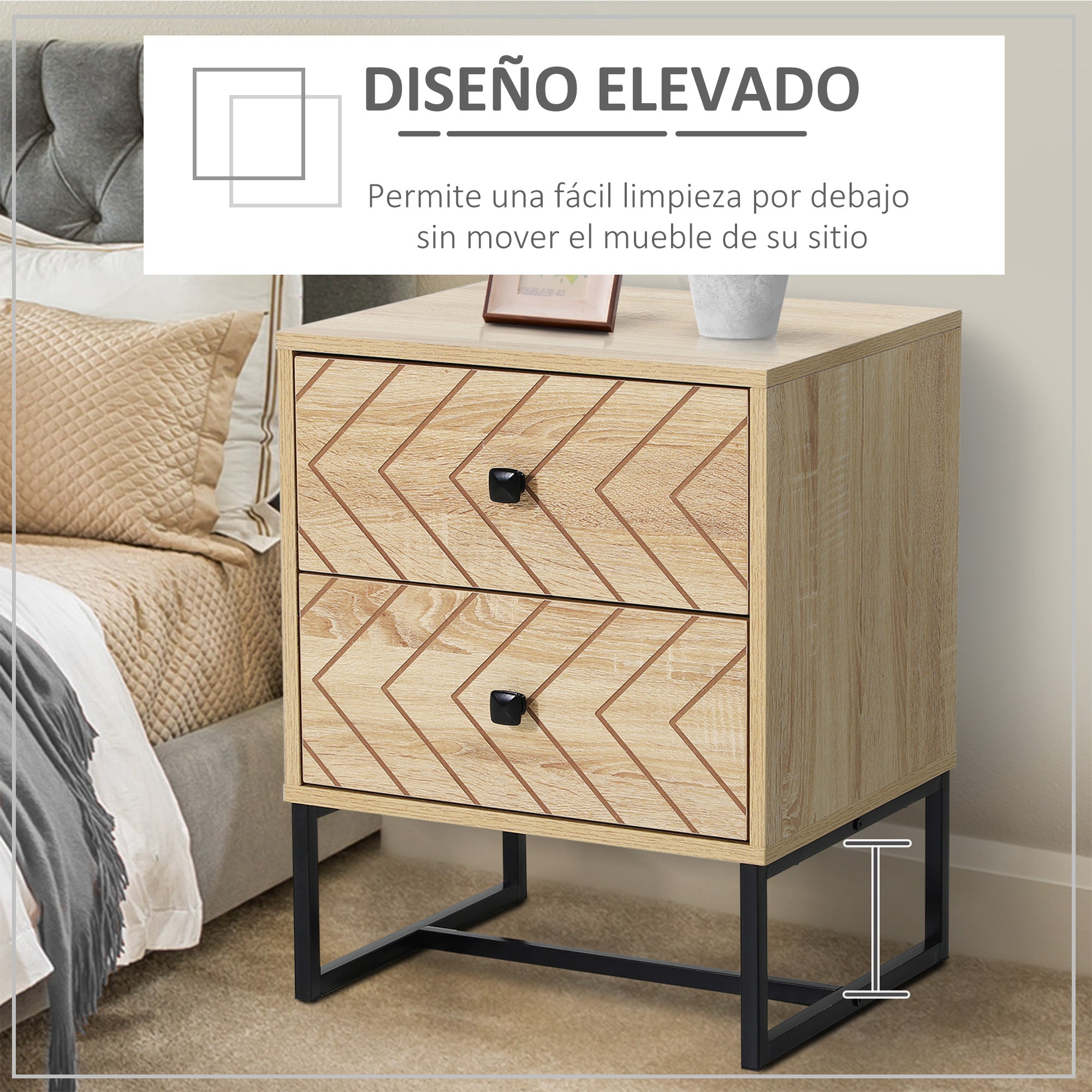
Pieces like smart home storage solutions, drawer chests, and storage benches help maintain a clean look while supporting daily use. A 6-Drawer Chest or a Side Table with Storage can quietly improve organisation without changing the visual rhythm of the room.
Balance Function with Comfort
Comfort is not only about softness—it is about proportion. Seating height, table scale, and spacing all affect how natural a room feels.
In bedrooms, combining soft textures with practical layouts creates a space that feels restful rather than crowded. Choosing bedroom furniture pieces that balance storage and openness helps maintain that calm atmosphere.
Use Hallways as Part of the Experience
Hallways are often underestimated, but they shape the first impression of your home. Instead of leaving them empty, use them to introduce subtle structure.
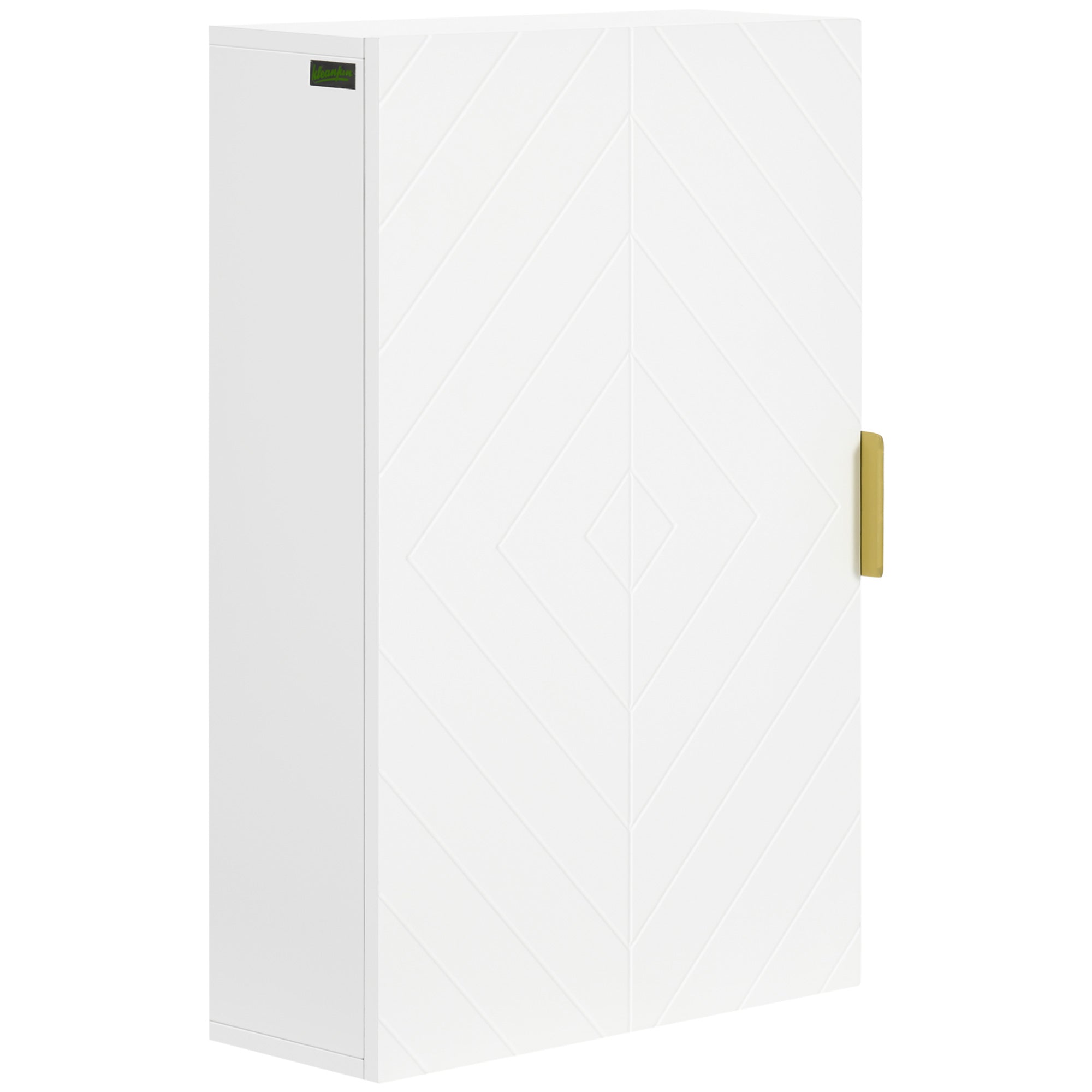
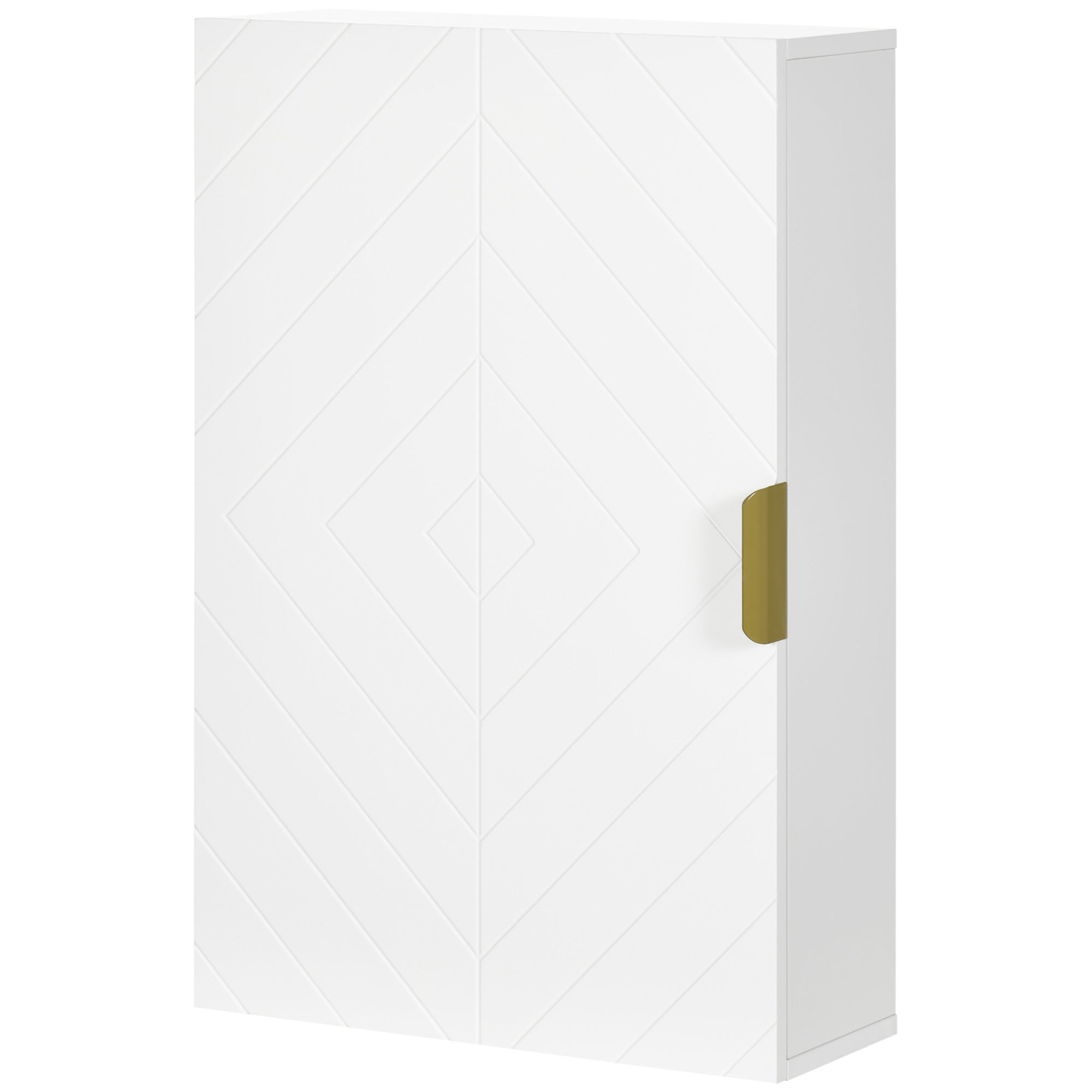
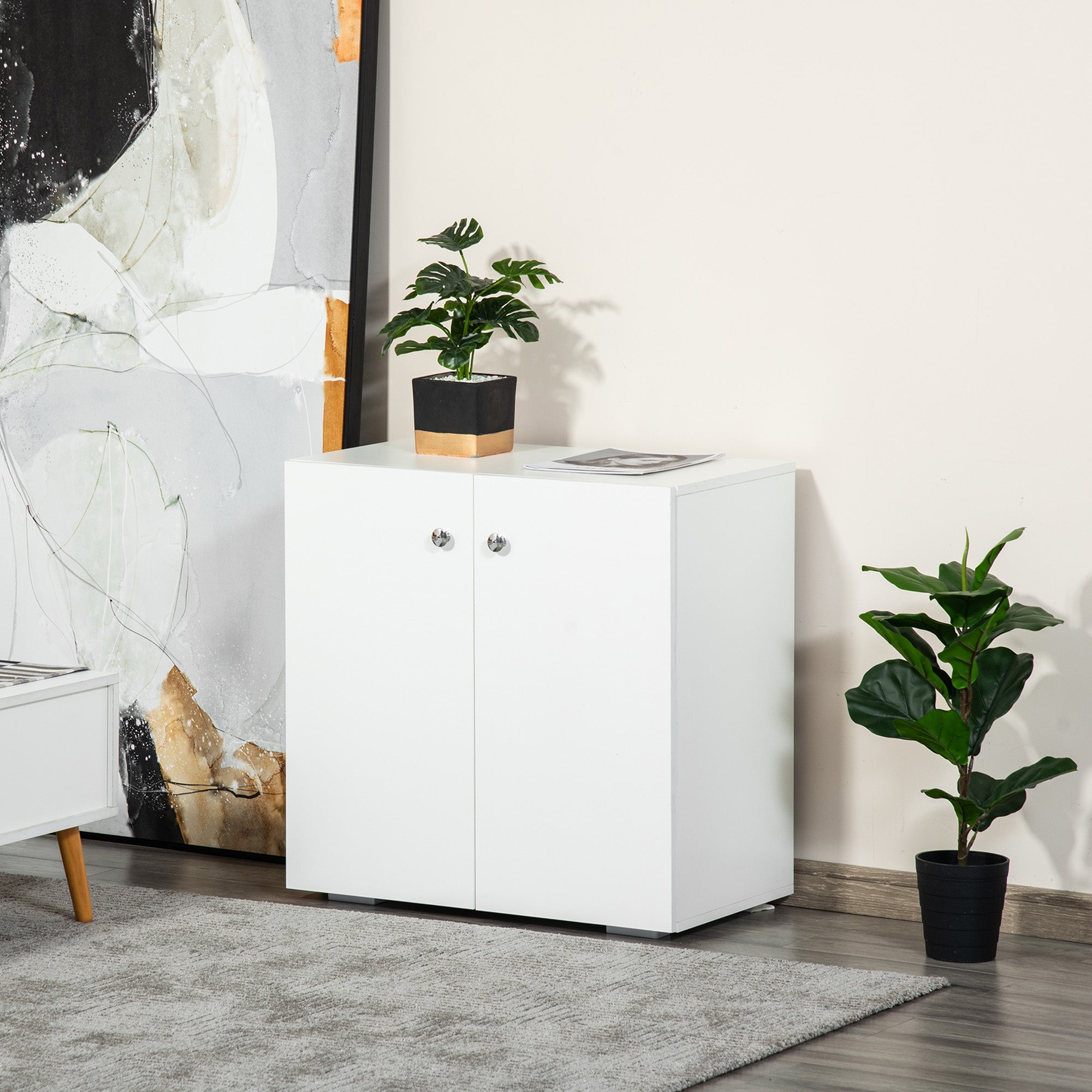
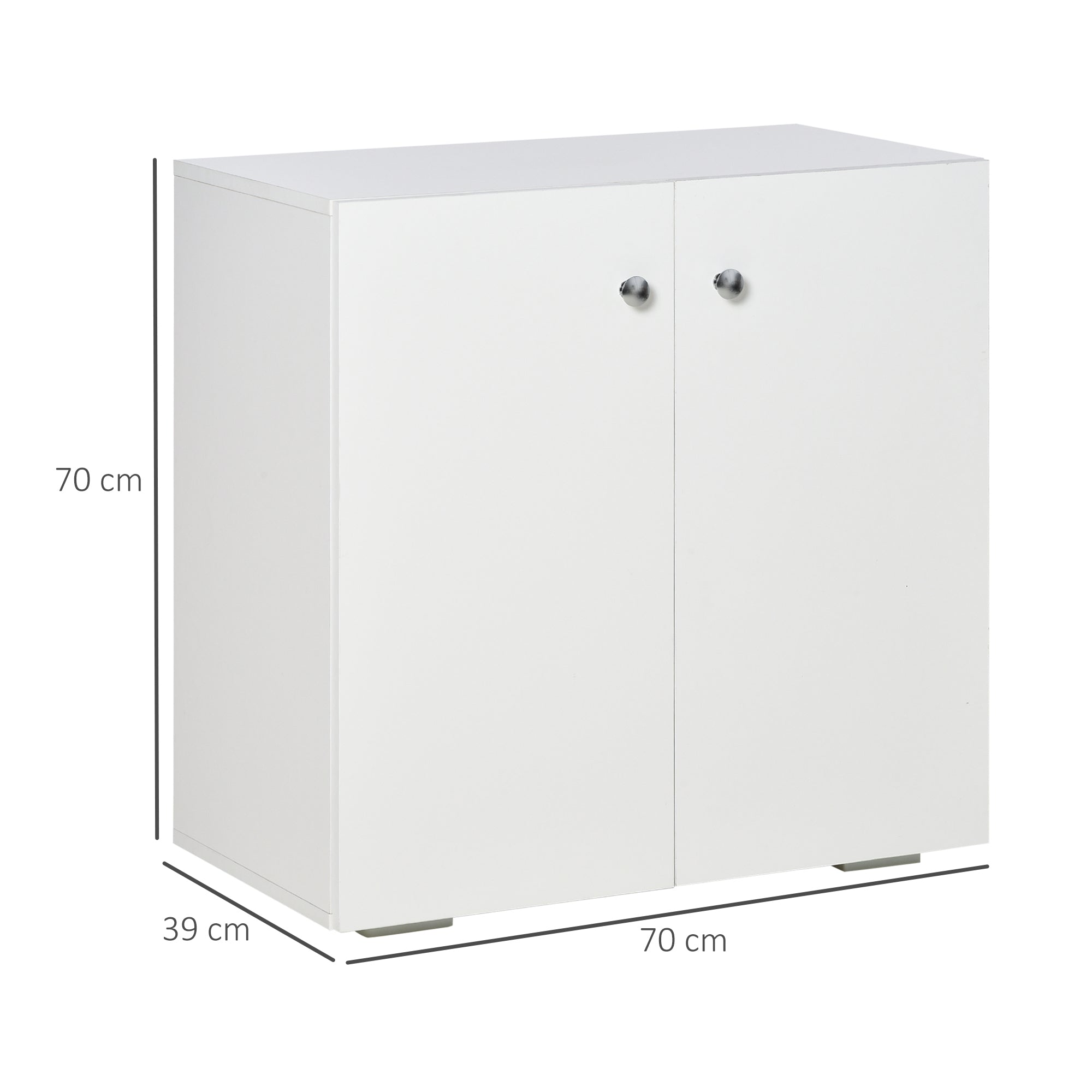
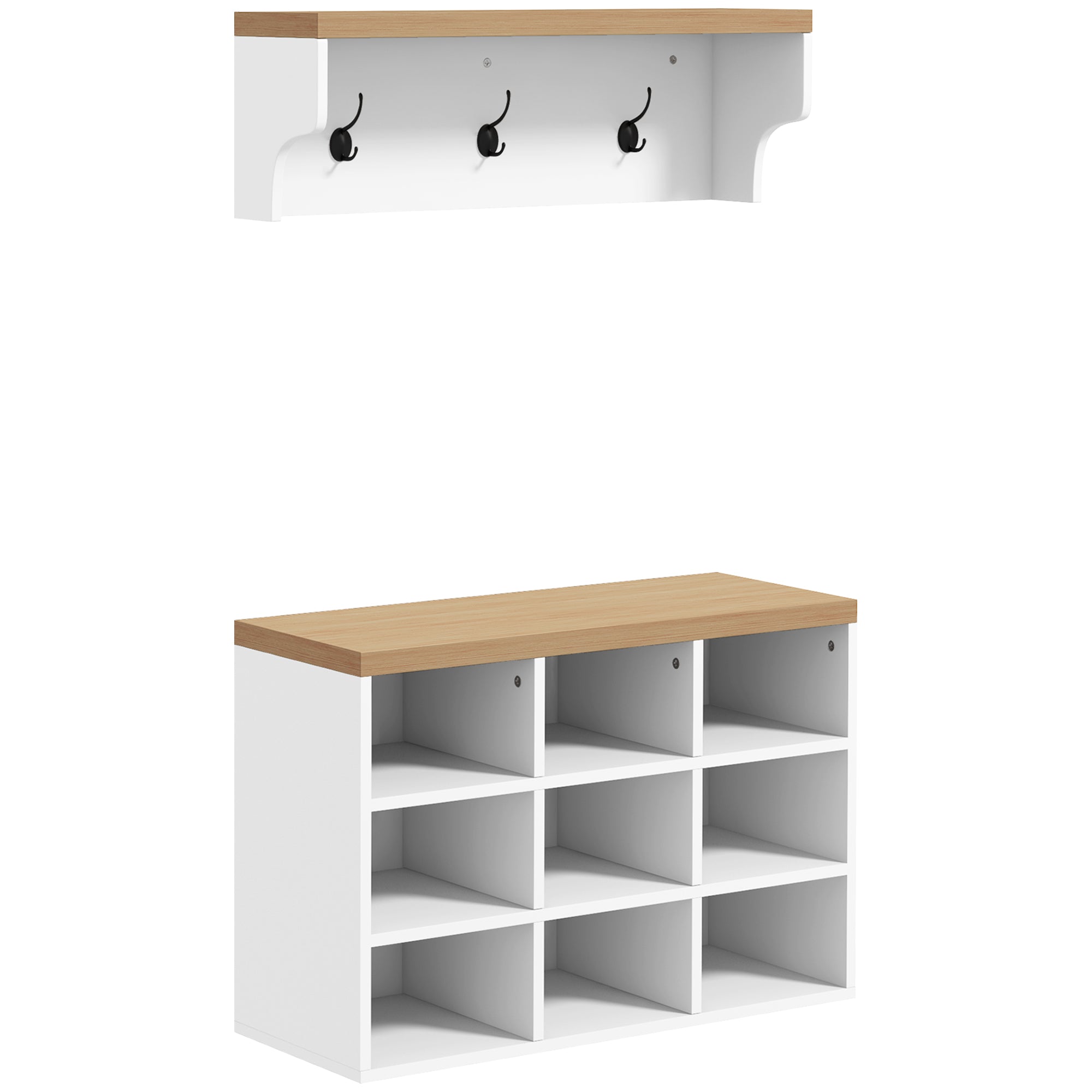
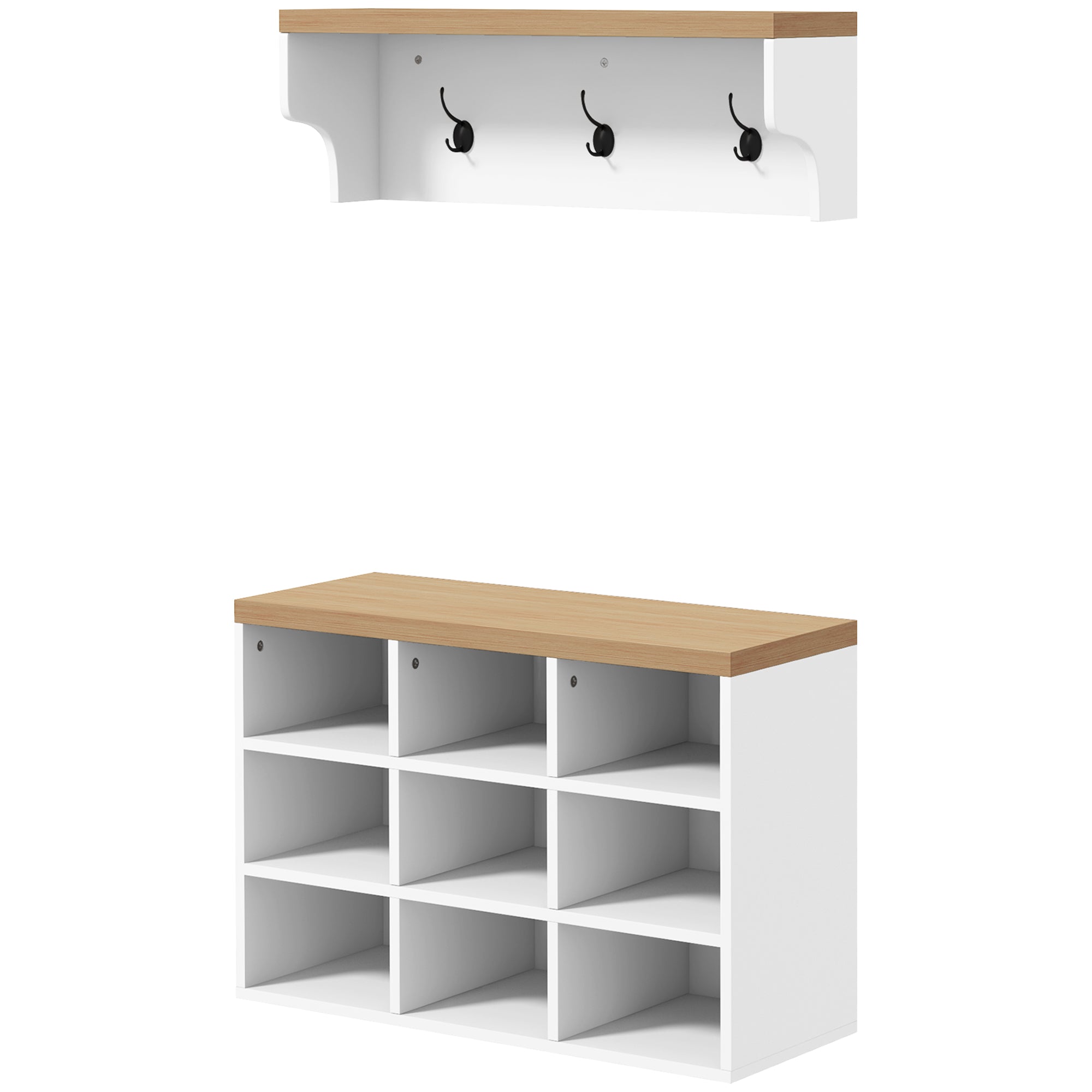
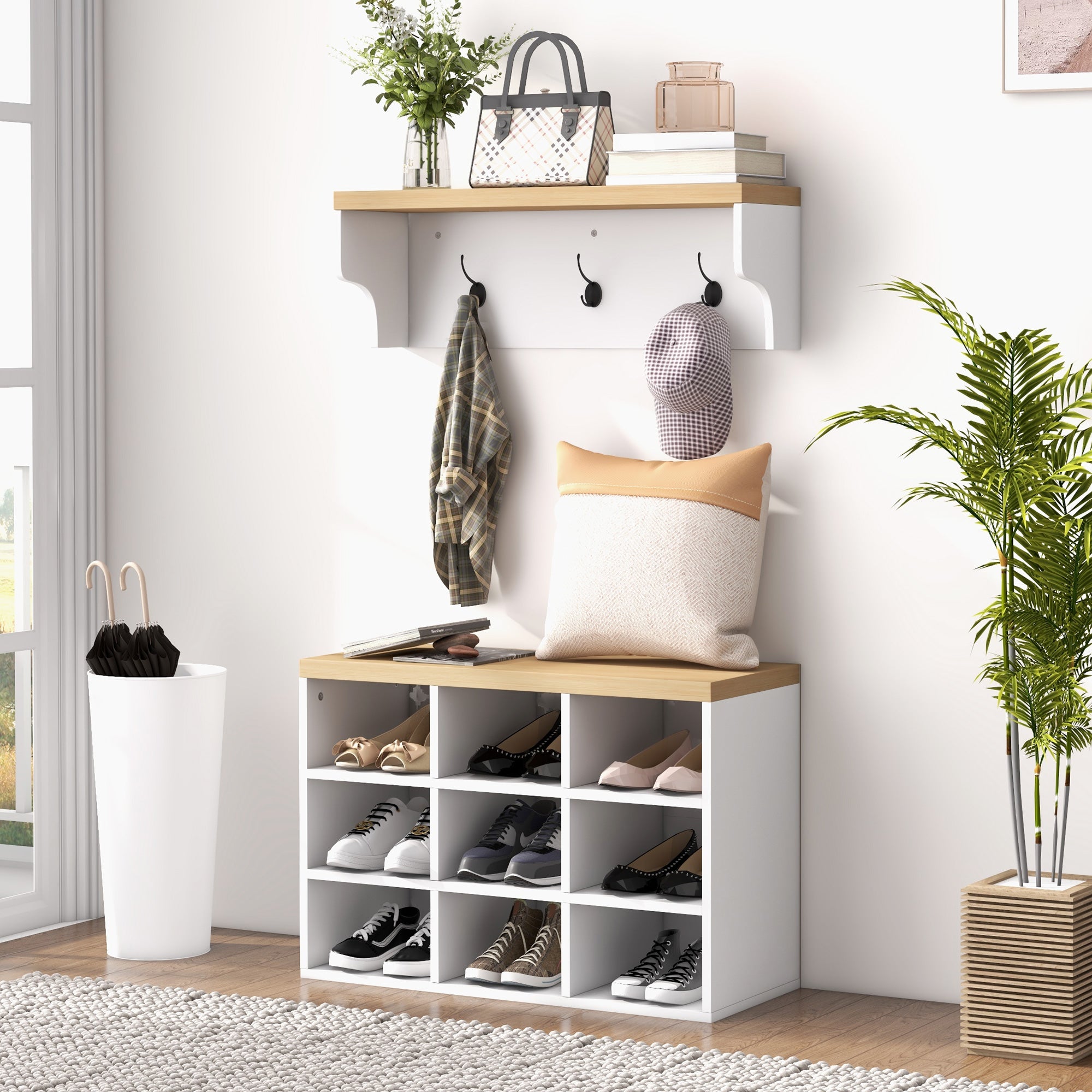
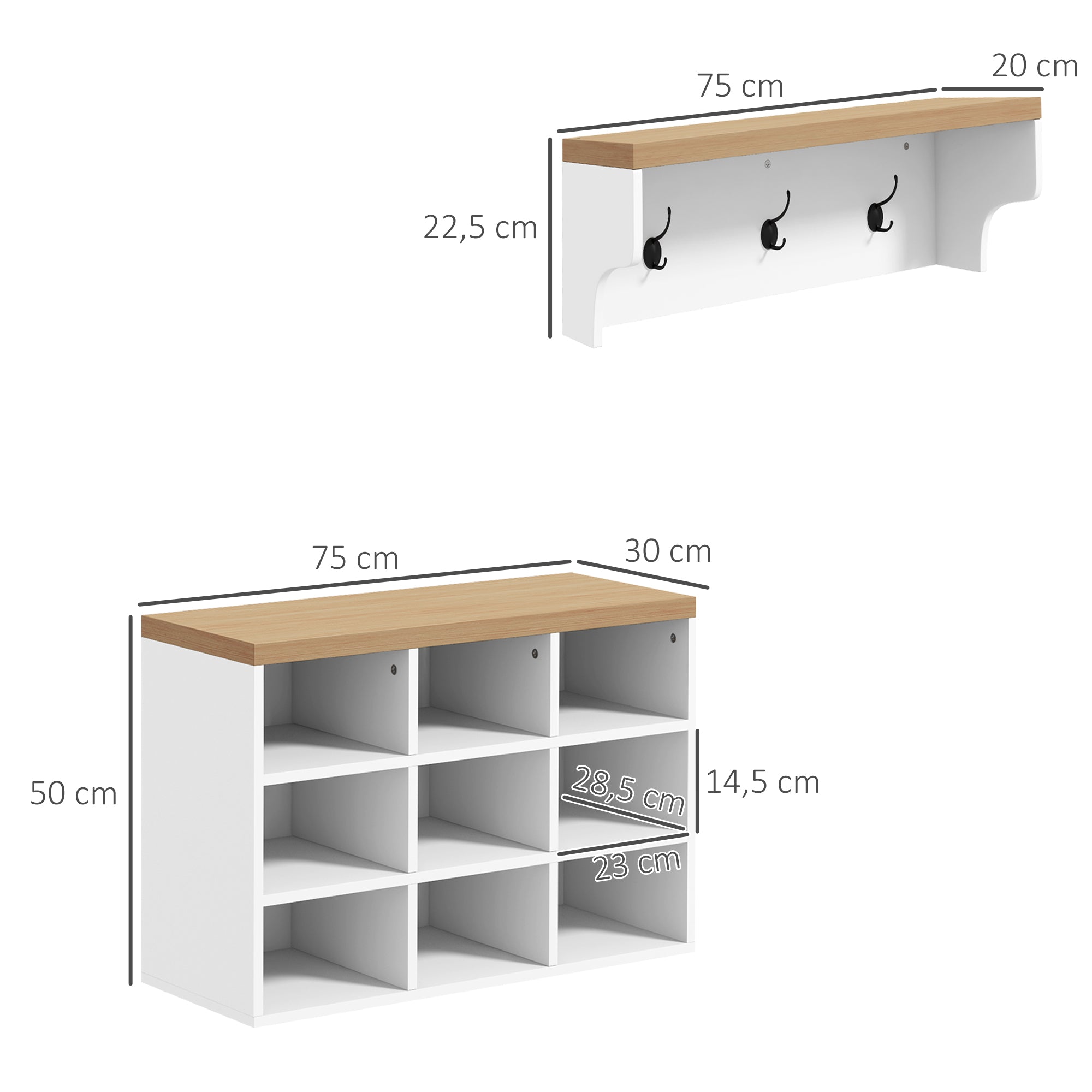
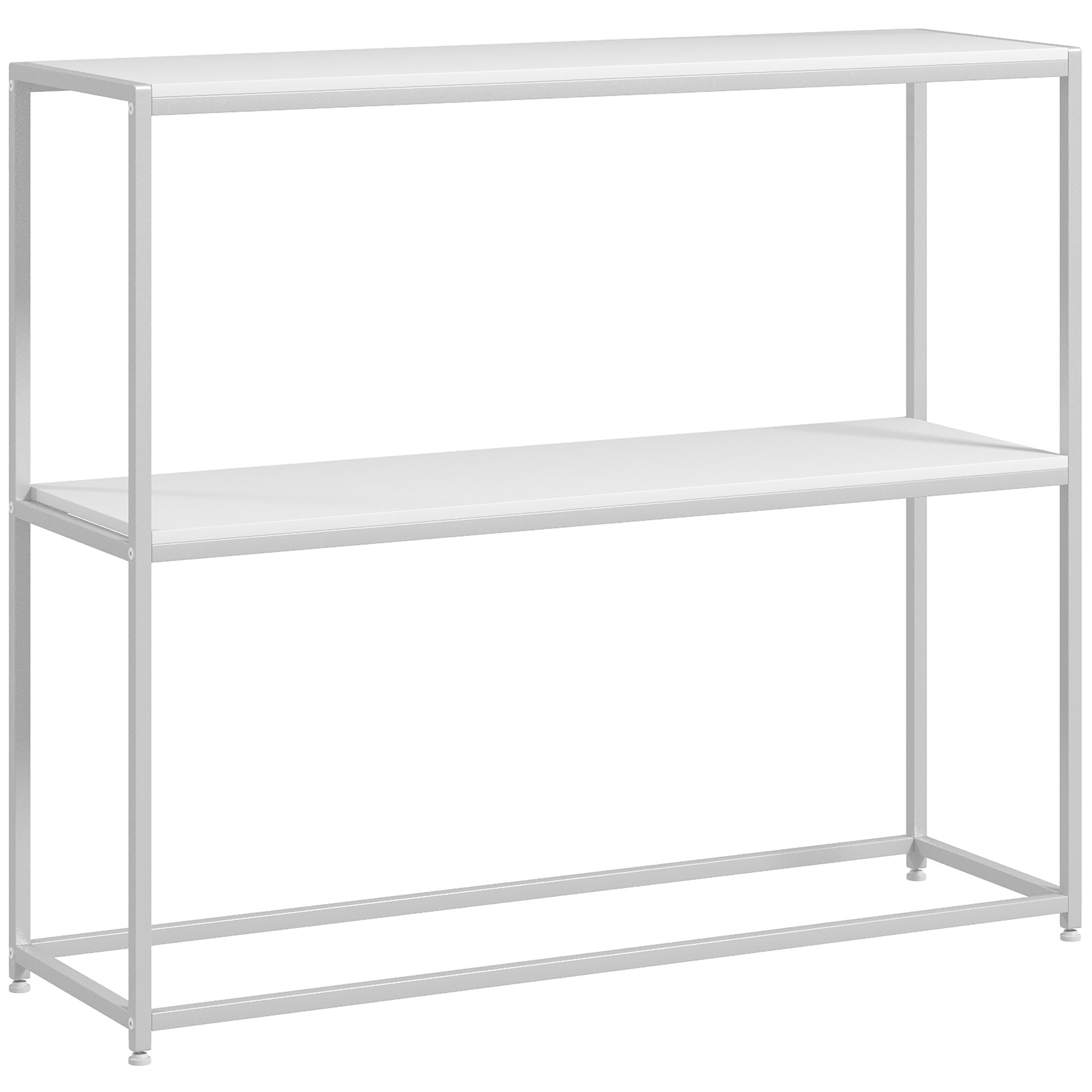
Adding hallway furniture accents such as benches or compact cabinets creates a transition space that feels intentional without overcrowding.
2026 Interior Direction: Softer, Simpler, More Adaptable
Interior trends are moving toward spaces that feel easier to live in. Instead of bold contrasts or heavy styling, the focus is shifting to softer forms and adaptable furniture.
- Muted tones and natural finishes
- Layered textures instead of strong colour contrasts
- Multi-purpose furniture that adapts to different needs
- Balanced layouts that prioritise movement and comfort
This direction reflects a growing preference for homes that feel calm, flexible, and easy to maintain over time.
Details That Complete the Space
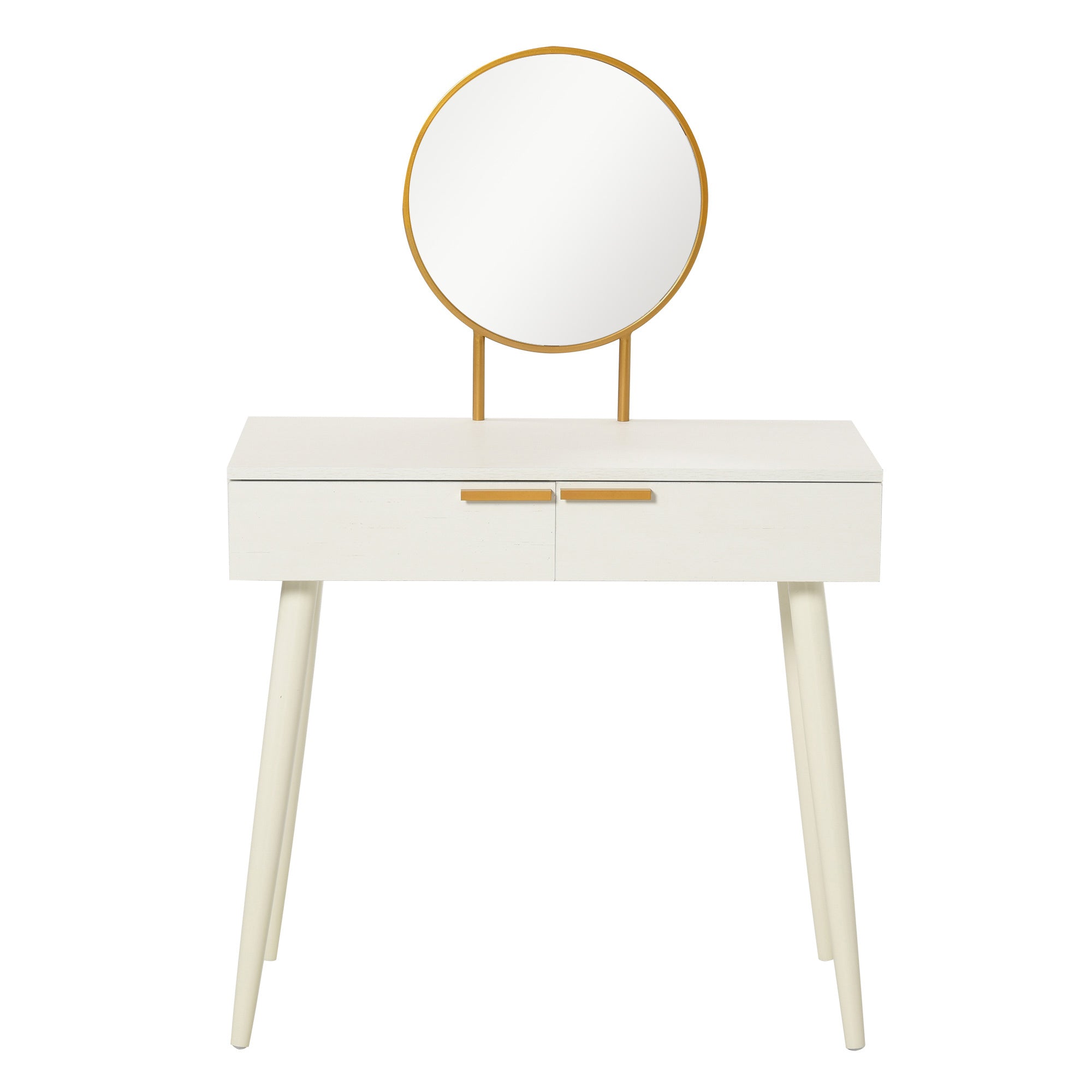
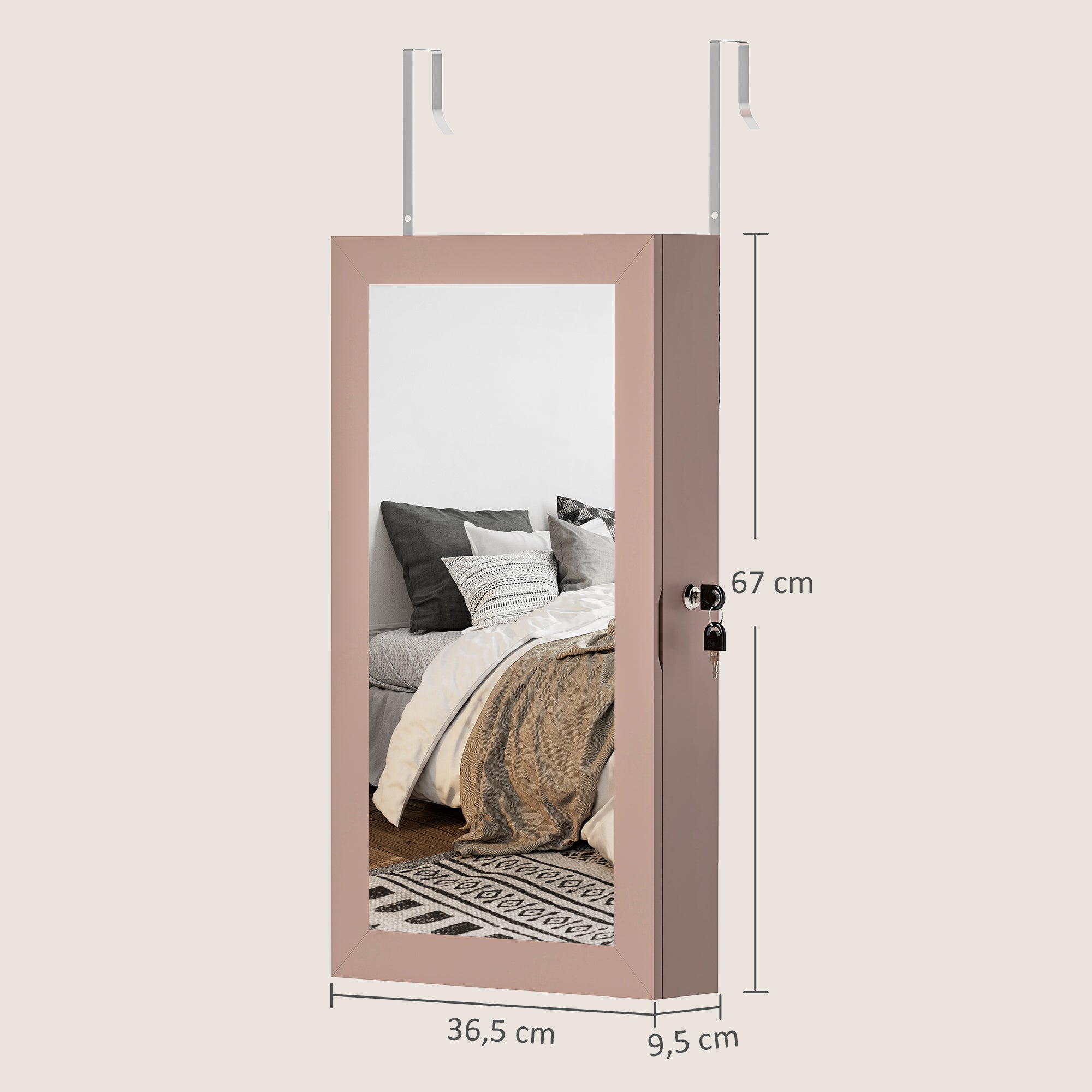
Once the main furniture is in place, smaller elements can refine the overall look. Lighting, mirrors, and accessories help adjust proportion and atmosphere without requiring major changes.
Using home décor elements selectively allows you to enhance the space while keeping it visually clean and consistent.
Design a Home That Feels Right to Live In
A successful home & living setup is not defined by trends, but by how naturally the space supports daily life. Every piece should contribute to comfort, flow, and visual balance.
By focusing on layout, texture, and cohesion, you can create a home that not only looks considered, but feels right every time you use it.


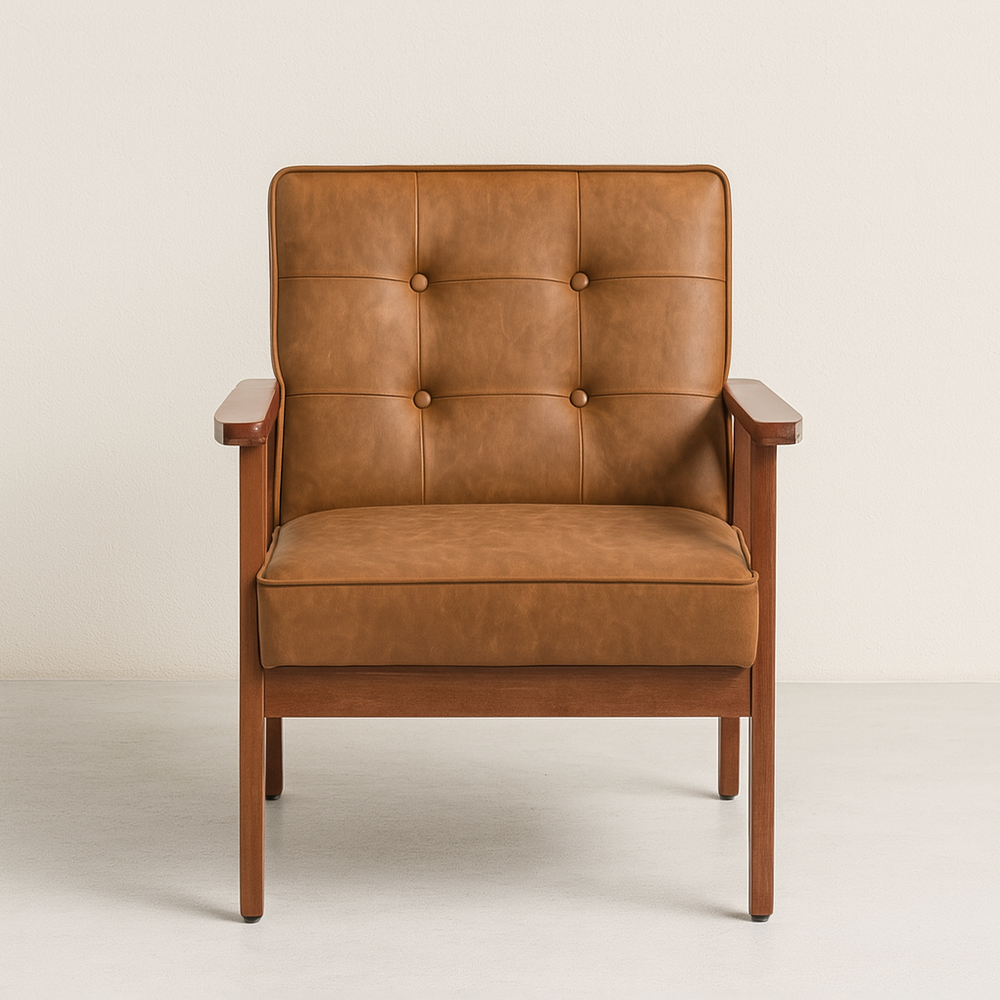 Armchairs & Massage Chairs
 Ottomans & Footstools
 Bedside Tables
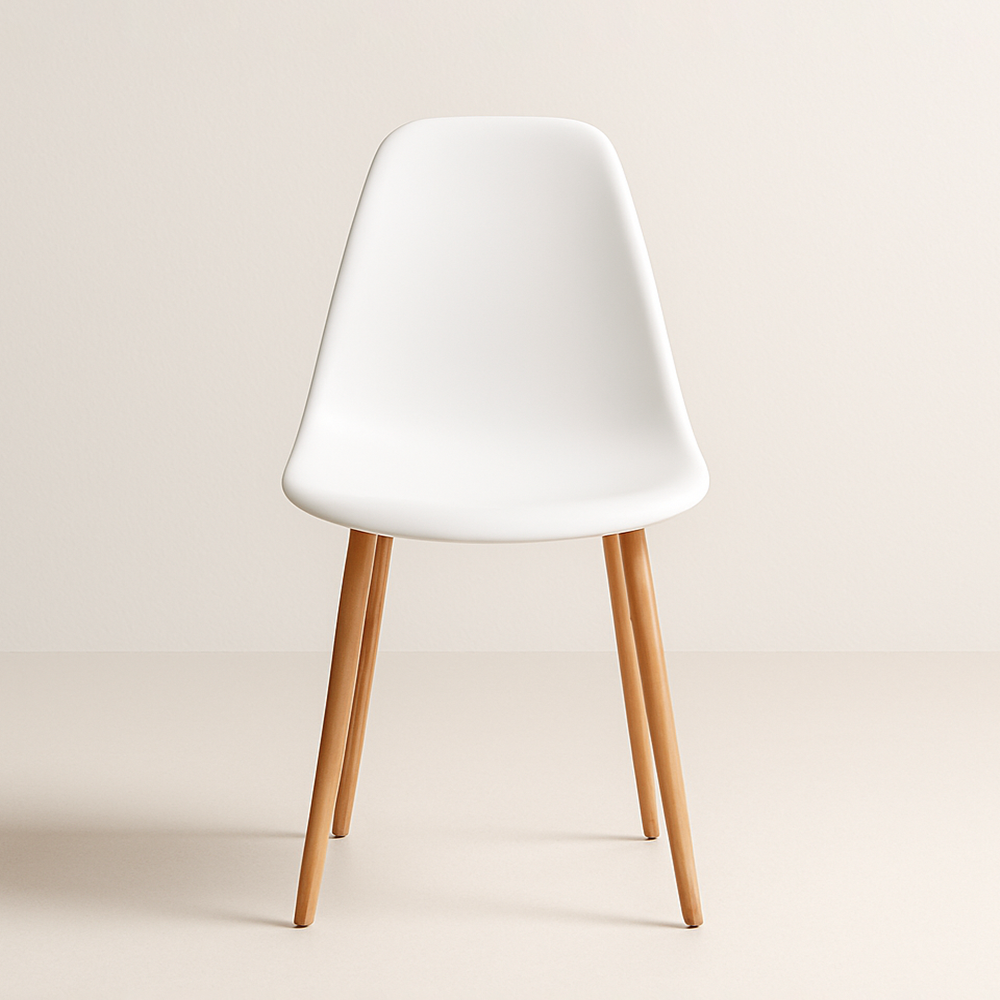 Dining Chairs
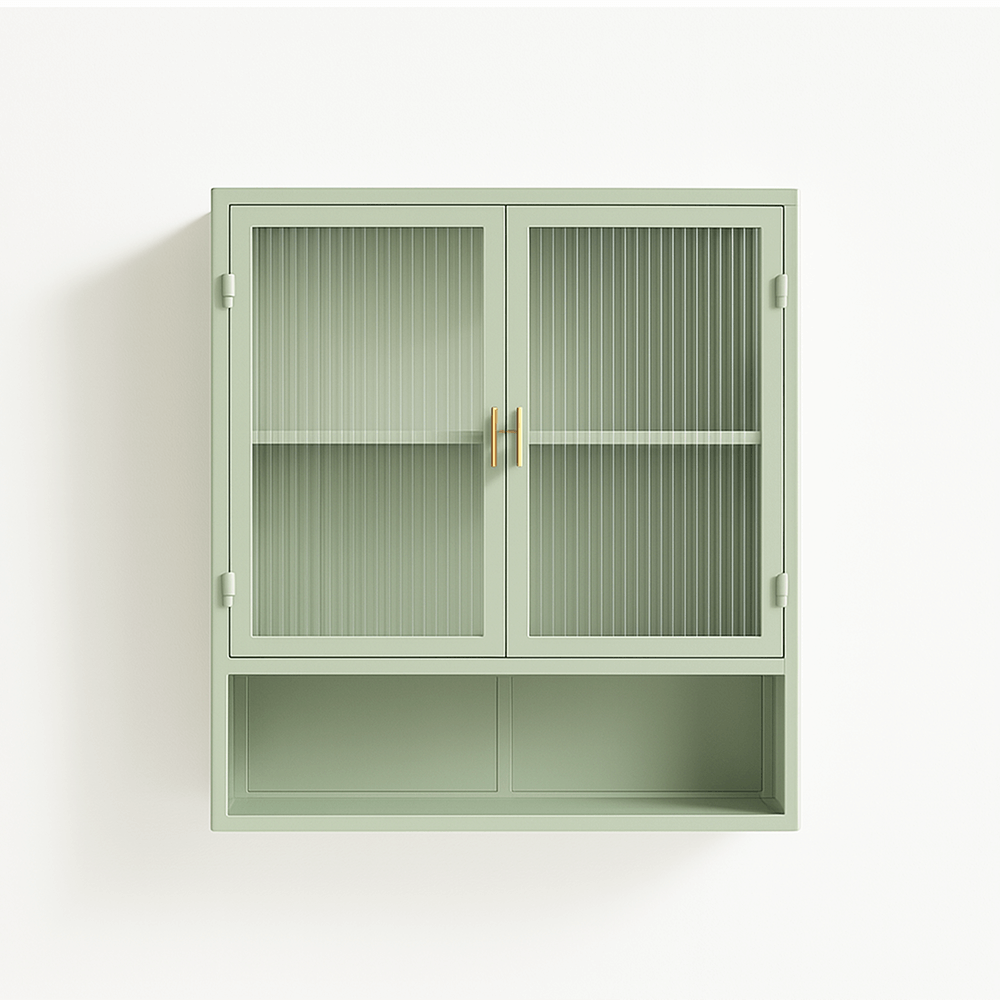 Bathroom & Salon
 Desk Chairs