


Shape a Kitchen and Dining Space Around the Way Meals Happen
The kitchen and dining area follows a daily rhythm: ingredients are prepared, food is served, people gather, and everything is cleared away again. The right kitchen and dining room furniture makes each stage flow more smoothly, turning everyday meals into moments that feel easier, more comfortable, and more enjoyable.
Rather than filling the room with separate pieces, create a connected setup. A well-proportioned dining table anchors the space, comfortable chairs encourage people to stay longer, and accessible storage keeps serving pieces and kitchen essentials close to where they are used.
Begin with the Table That Sets the Pace
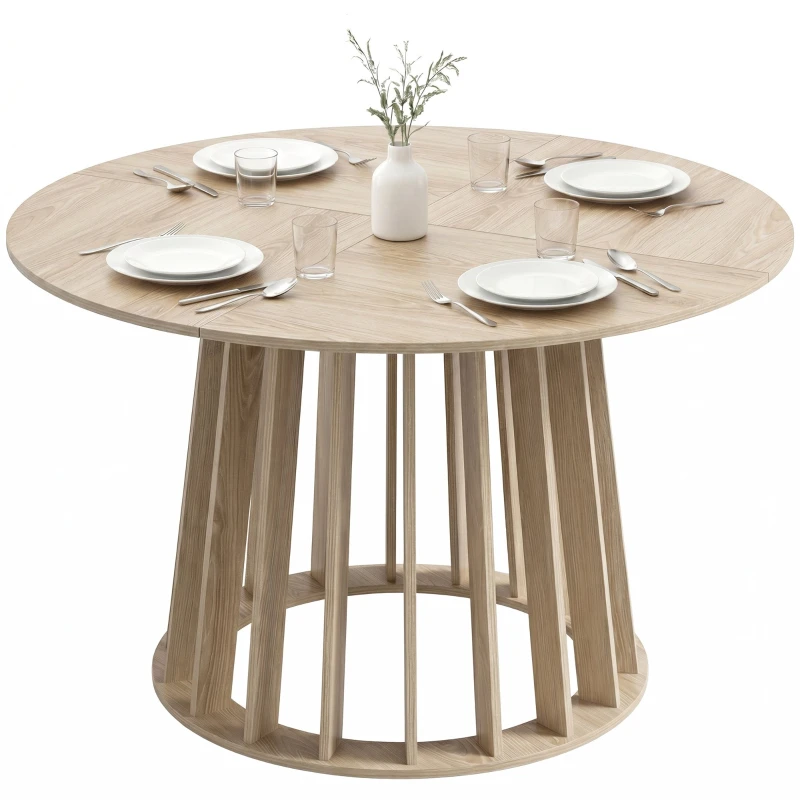
The dining table determines how the room moves and how many people it can comfortably support. A compact square or round table suits everyday meals in smaller households, while rectangular and extendable designs provide more flexibility for family dinners and guests.
Browse dining tables for everyday meals and larger gatherings including compact tables for two, folding designs, drop-leaf tables, and larger surfaces for shared dining.
Allow approximately 55–60 cm of table width per person and leave around 75–90 cm between the table edge and nearby walls or furniture where space allows. This gives chairs enough room to move and helps people pass behind seated diners more comfortably.
Pair the Table with Seating People Want to Stay In
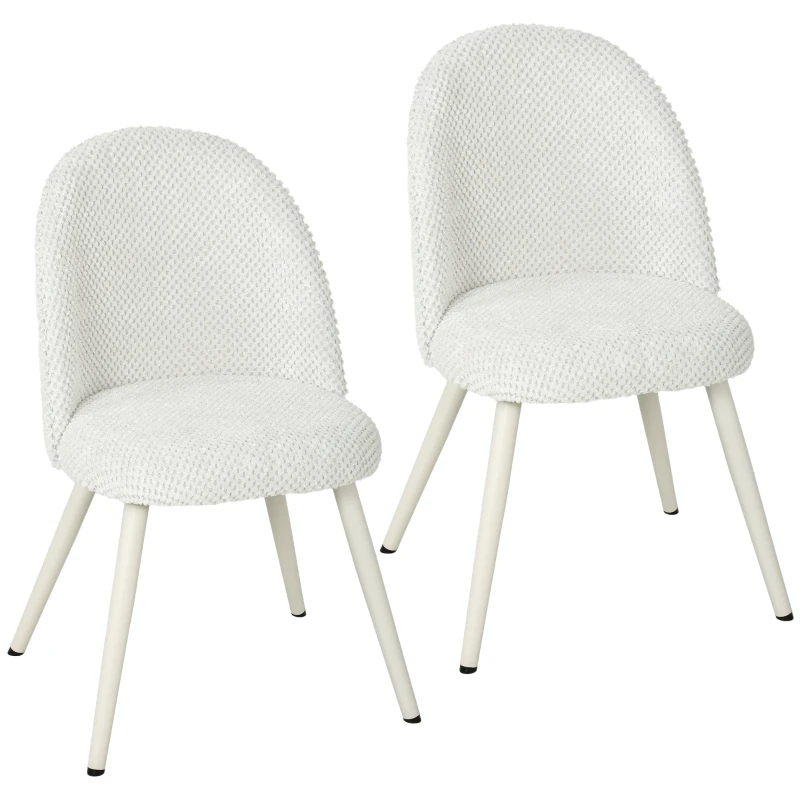
Dining chairs affect more than appearance. Seat padding, backrest shape, chair width, and frame stability all influence how comfortable the table feels during longer meals, conversations, or occasional home working.
Explore comfortable dining chairs in coordinated sets with options including linen-look upholstery, velvet-effect finishes, curved backs, rubberwood legs, steel frames, and stackable designs.
Check the relationship between the chair seat and the underside of the table rather than comparing overall heights alone. A difference of roughly 25–30 cm between the seat and tabletop generally provides a comfortable dining position, while tables with deep frames or aprons may require additional knee clearance.
Choose a Complete Set When Coordination Matters Most
Matching a table and chairs separately offers creative freedom, but a coordinated set simplifies proportions, finishes, and seating capacity. It is a practical choice when furnishing a first home, rental property, breakfast area, or compact dining room.
Discover coordinated dining sets ready for everyday use with compact three-piece options, family-sized arrangements, and designs that integrate shelves or space-saving seating.
Sets with benches or chairs that tuck beneath the tabletop can free more floor area between meals. In open-plan homes, repeating a finish already used in the kitchen or living room also helps the dining zone feel connected to the wider interior.
Turn an Island or Counter into a More Social Space
A kitchen island can support quick breakfasts, casual conversations, or an extra place for guests while food is being prepared. The right stool makes this informal area more comfortable without requiring a separate dining setup.
Find bar stools for kitchen islands and breakfast counters with padded seats, supportive backrests, footrests, swivel functions, and adjustable-height bases.
Match the stool height to the counter before buying. Counter-height surfaces generally work best with lower stools, while taller bar tables need a higher seat. Leaving approximately 20–30 cm between the seat and underside of the counter usually provides comfortable legroom.
Add Preparation Space Exactly Where It Is Needed
When fixed worktops become crowded, a movable kitchen trolley can create an extra preparation or serving station without permanent renovation. A model with a large top can hold small appliances or ingredients, while drawers and shelves keep utensils, tableware, and towels close by.
Explore mobile kitchen islands and serving trolleys with worktops, storage drawers, open shelves, towel rails, and wheels for easier repositioning.
Use the trolley beside the worktop during preparation, move it closer to the dining table for serving, and return it to the wall when more floor space is needed. Lockable wheels help keep the unit stable while chopping, plating, or pouring.
Create a Serving Zone Away from the Main Worktop
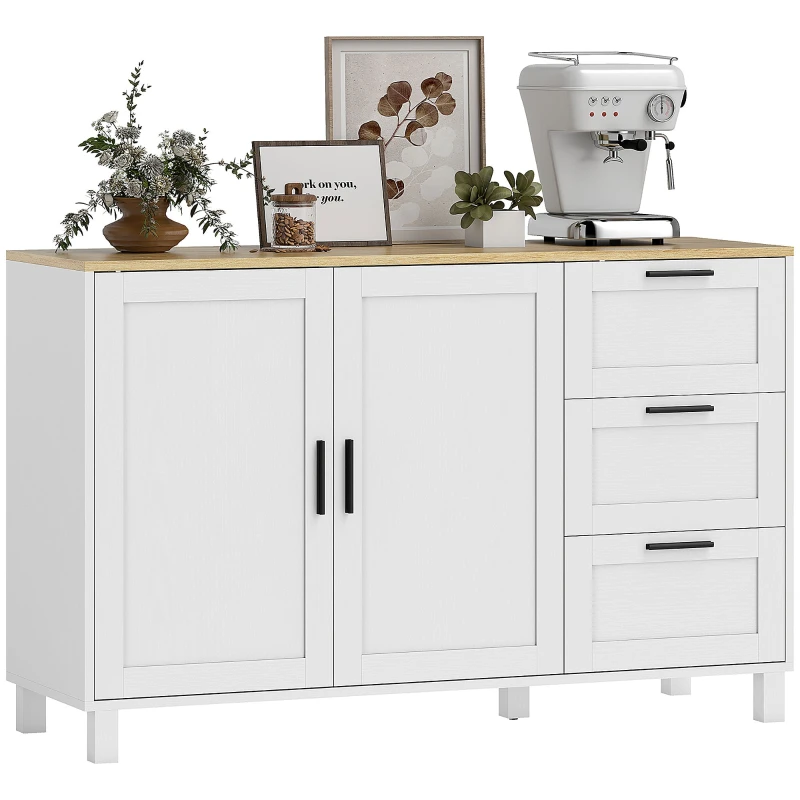
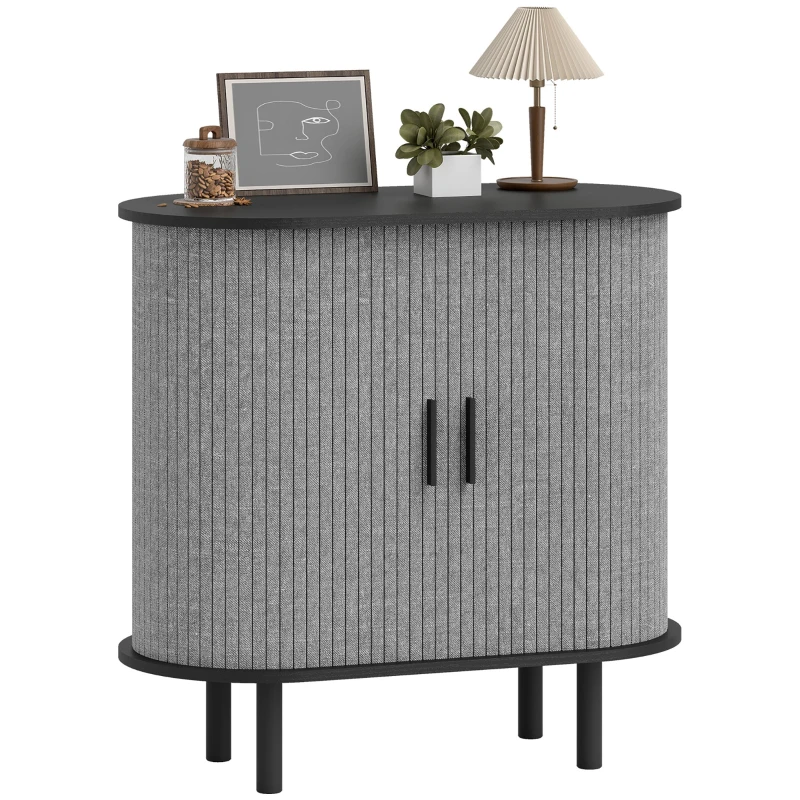
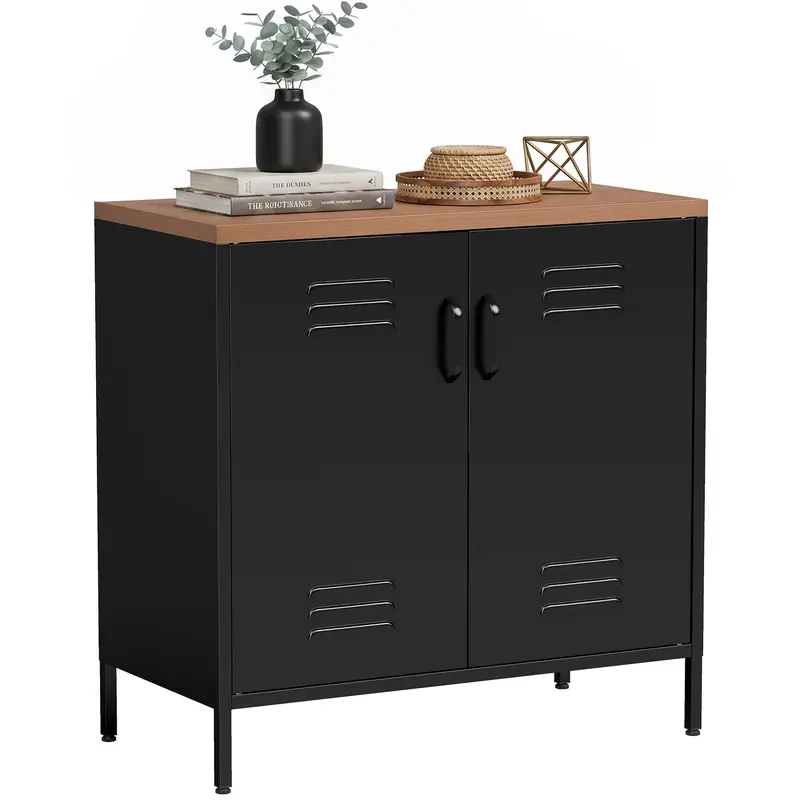
Not everything used at mealtimes needs to remain in the kitchen cabinets. A sideboard can hold plates, glasses, serving dishes, table linen, or occasional appliances while also providing a useful surface for drinks, desserts, or a coffee station.
Choose from sideboards and buffets for organised serving with adjustable shelves, drawers, open compartments, soft-close doors, and finishes ranging from farmhouse-inspired wood effects to modern high gloss.
Position frequently used items between waist and shoulder height, and reserve lower shelves for heavier cookware or appliances. Adjustable shelving makes it easier to accommodate tall bottles, serving bowls, and stacks of plates without wasting internal space.
Give Bottles and Glassware Their Own Place
A dedicated drinks area prevents bottles from taking over worktops and dining surfaces. Compact racks suit occasional storage, while larger wine cabinets can bring bottles, glasses, and accessories together in one organised location.
Browse wine storage for bottles and entertaining essentials including compact metal racks, freestanding cabinets, and designs with integrated glass holders.
Keep wine away from direct sunlight, radiators, and areas with frequent temperature changes. Freestanding racks should sit on a level surface, and taller cabinets should be secured with the supplied anti-tip fittings where required.
Make a Small Dining Area Work Beyond Mealtimes
In smaller homes, the dining area may also support coffee breaks, homework, remote work, or food preparation. Furniture that folds, extends, stacks, or includes storage allows the room to adapt without feeling permanently crowded.
· For two people – Choose a compact square, round, or drop-leaf table
· For flexible hosting – Use an extendable or folding table that opens only when required
· For narrow rooms – Select armless chairs or stools that tuck beneath the tabletop
· For limited storage – Add shelving, drawers, or a compact sideboard close to the dining zone
Keeping one side of the room visually open can make a compact setup feel less enclosed. Rounded corners, slim legs, and lighter finishes can also reduce visual weight while maintaining useful seating and surface space.
Choose Surfaces for Real Meals, Not Just Display
Kitchen and dining furniture encounters heat, moisture, crumbs, spills, and frequent cleaning. Durable finishes and stable frames make everyday care easier, especially in family homes and high-use dining areas.
Wipe spills promptly with a soft cloth and use coasters or heat-resistant mats beneath hot dishes. Upholstered seats benefit from regular vacuuming with a soft attachment, while metal and wood-effect surfaces can usually be cleaned with a lightly damp cloth followed by drying.
Check table fixings, chair legs, hinges, and trolley wheels periodically. Tightening loose fittings early helps maintain stability and reduces unnecessary wear during everyday use.
Bring Every Part of the Meal Together
A successful kitchen and dining area does not depend on having a large room. It depends on placing the right furniture at the point where it is most useful: preparation space near the kitchen, comfortable seating around the table, and storage within easy reach when food is served.
Explore the complete range of kitchen and dining room furniture and create a space that moves naturally from quick breakfasts to family dinners, relaxed drinks, and everything in between.