

Give Every Item a Place That Makes Sense
Good organisation is not about hiding everything from view. It is about reducing the number of decisions required to put things away and find them again. When clothing, laundry, toys, books, household supplies, and everyday accessories each have a clear destination, rooms are easier to reset and less likely to become cluttered again.
The Storage & Organisation collection is designed for use across the home rather than in one specific room. Storage baskets can collect smaller items, chests provide larger enclosed capacity, fabric dressers add lightweight drawer space, and utility carts move supplies to wherever they are needed.
Organise by Activity, Not Only by Room
Belongings are easier to manage when they are grouped according to how they are used. A basket for children's drawing materials can move between a shelf and the table. A laundry hamper can separate washing before laundry day. A rolling cart can carry craft supplies, office equipment, toiletries, or kitchen essentials without requiring permanent cabinetry.
· Daily-use items – Keep them visible or inside easy-access drawers
· Weekly-use items – Store them in labelled baskets, chests, or lower shelving
· Seasonal items – Use larger enclosed storage away from primary living areas
· Shared supplies – Place them in movable organisers that can travel between users
This approach prevents one room from becoming the default destination for everything that does not yet have a place.
Use Baskets to Control Small, Loose Items
Small belongings create visual clutter quickly because they spread across shelves, tables, floors, and drawers. Baskets bring related items together while remaining easy to lift, move, and return.
Explore storage baskets for flexible everyday sorting in woven, fabric, natural, and decorative designs. They can hold toys, blankets, accessories, laundry, craft materials, or frequently used household supplies.
Match the basket to the contents rather than choosing by appearance alone. Soft baskets suit textiles and children's items, structured baskets hold their shape on open shelving, and handles make heavier contents easier to move. Measure the shelf or cubby opening before buying and leave enough clearance to pull the basket out comfortably.
Choose Storage Chests for Bulkier Belongings
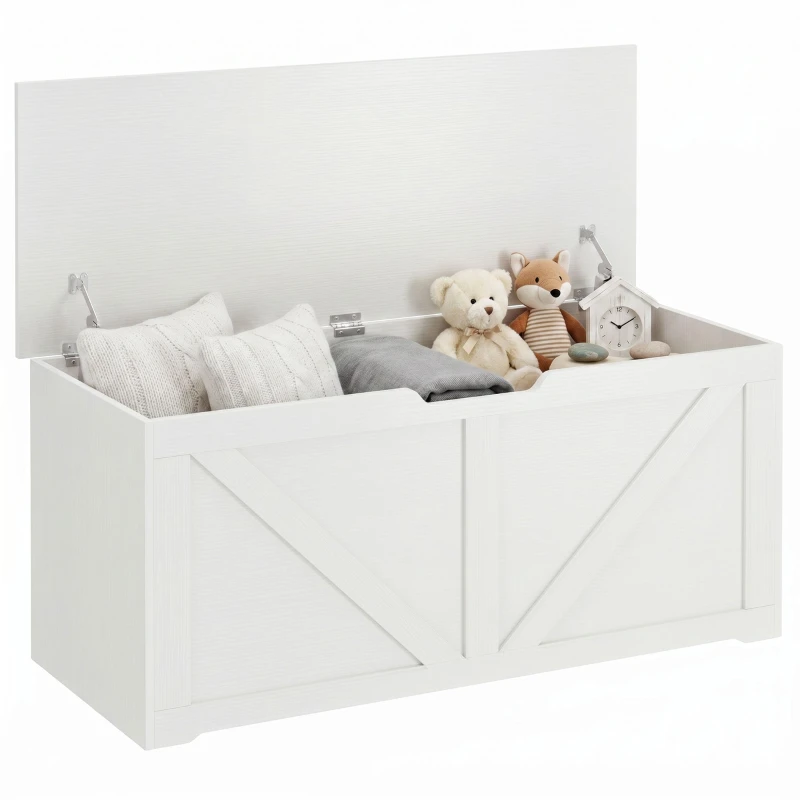
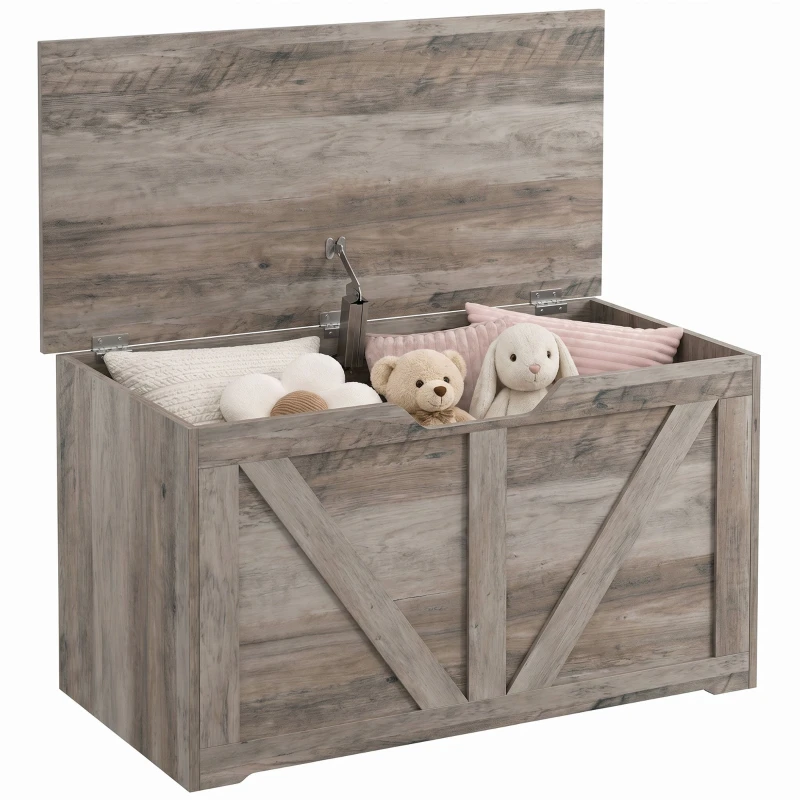
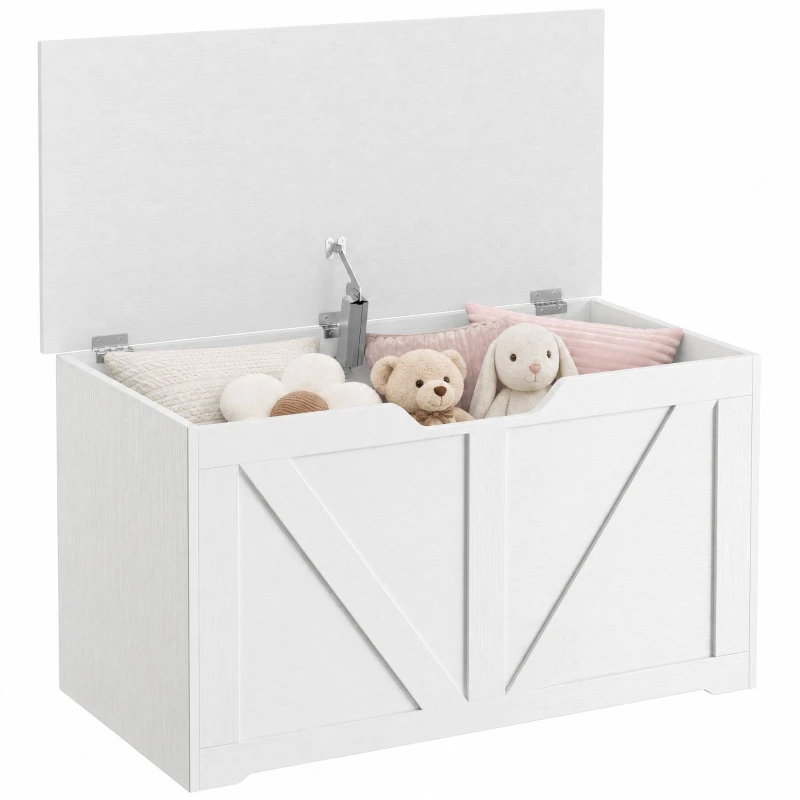
Blankets, spare bedding, toys, seasonal clothing, and larger household items require more uninterrupted capacity than small drawers can provide. A chest keeps these belongings together and can reduce the number of separate containers needed around the room.
Browse storage chests for larger household items with lift-up lids, enclosed compartments, handles, or multifunctional designs suitable for bedrooms, playrooms, living areas, and shared spaces.
Keep frequently used contents near the top and avoid filling a deep chest with unrelated small objects. Where a chest has a hinged lid, allow enough wall clearance for it to open fully and follow any supplied guidance regarding hinges, load limits, or child safety.
Add Drawer Space without Heavy Cabinetry
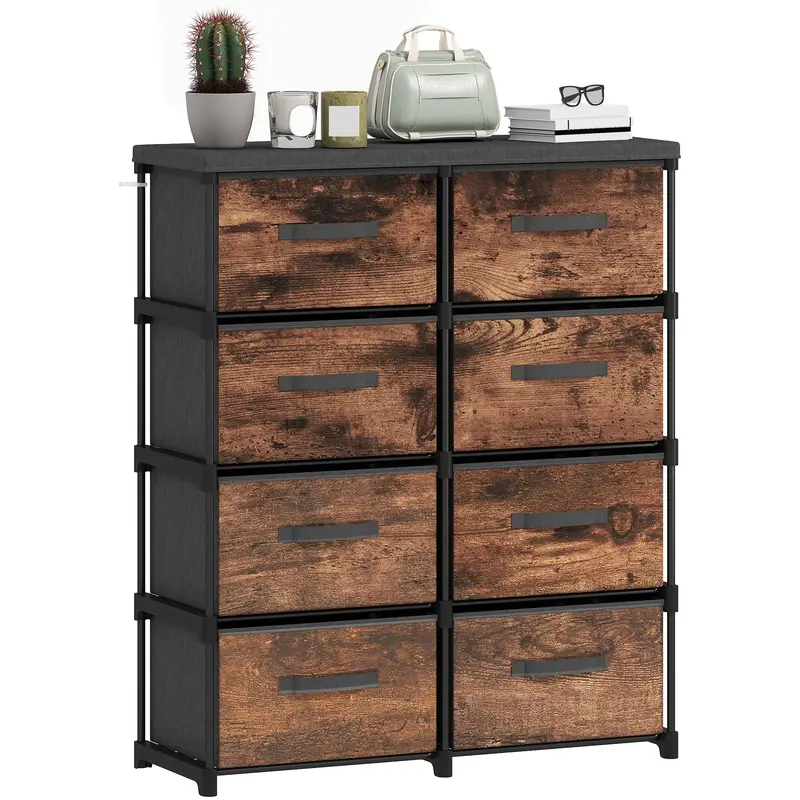
Not every room needs a permanent wooden chest of drawers. Fabric dressers provide lighter, adaptable storage for clothing, accessories, nursery items, office supplies, and everyday household belongings.
Discover fabric dressers with lightweight drawer storage in narrow, wide, and multi-drawer configurations. Steel frames add support, while fabric drawers can usually be removed when sorting or reorganising their contents.
Use smaller drawers for accessories and larger drawers for folded clothing or textiles. Avoid overfilling the drawers, as this can make them harder to slide and may distort the fabric. Taller units should be levelled carefully and secured with anti-tip fittings where provided.
Move Supplies Instead of Duplicating Them
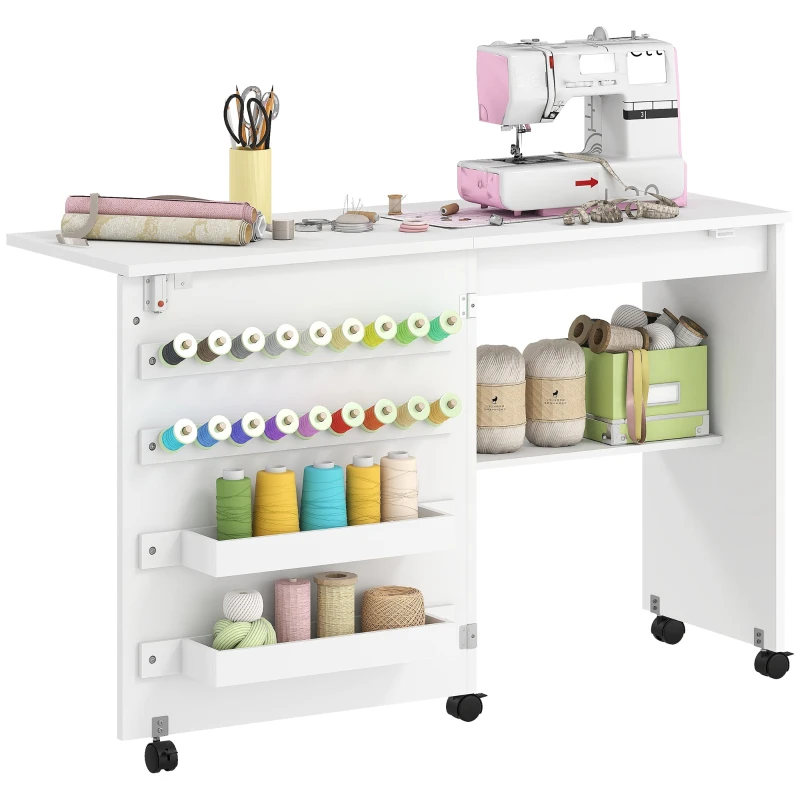
Some items are needed in several places but do not require a permanent home in every room. A mobile trolley allows one organised set of supplies to move between the kitchen, office, bedroom, bathroom, craft area, or utility space.
Choose rolling utility carts for shared household supplies with mesh baskets, handles, hooks, multiple tiers, and braked wheels. Open tiers make contents visible, while a slim profile can fit beside desks, appliances, counters, or cabinets.
Place heavier items on the lowest tier to improve stability and lock the wheels when the cart is in use. Group contents in smaller containers if loose objects could fall through mesh shelves or become mixed during movement.
Sort Laundry before It Reaches the Washing Machine
Laundry is easier to manage when sorting happens as clothes are discarded rather than just before washing. Divided hampers can separate lights, darks, delicates, or household textiles within one unit.
The current range includes bamboo hampers with lids, removable washable liners, corner-friendly shapes, and capacities from compact single sections to larger two- or three-compartment designs.
Choose capacity based on household size and washing frequency. A smaller hamper is easier to carry and empty regularly, while divided 120–144 litre models can support larger households. Allow damp towels to dry before placing them inside a closed hamper and wash removable liners periodically.
Use Vertical Space without Making Rooms Feel Heavy
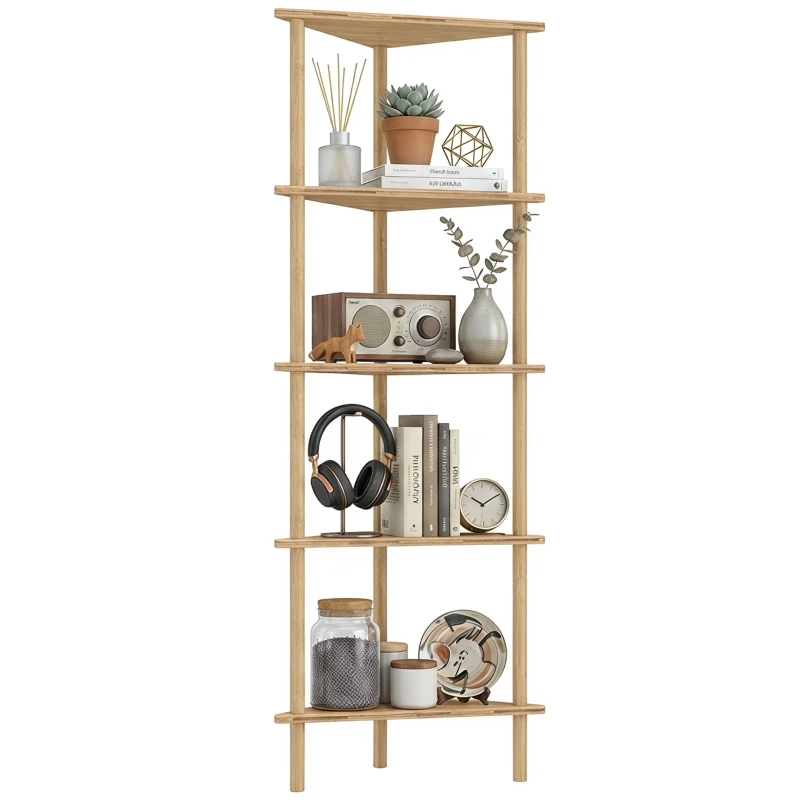
When floor area is limited, shelves and taller organisers can increase capacity without widening the footprint. Open shelving also makes books, plants, baskets, and decorative objects easier to access.
Place heavier belongings on lower shelves and lighter items above eye level. Use matching baskets to contain smaller objects on open units and leave some sections partially empty so the shelving does not appear visually overloaded.
Before installing a tall shelf or cube system, check ceiling height, skirting boards, sockets, and wall clearance. Level adjustable feet and secure tall furniture where anti-tip hardware is supplied.
Create Storage Zones that Are Easy to Maintain
An organisation system only works when putting items away is straightforward. Avoid overly detailed categories that require too much sorting. Broad, recognisable groups are easier for everyone in the household to follow.
· One container, one clear purpose – Avoid mixing unrelated belongings
· Most-used items at easy reach – Reserve higher and deeper spaces for occasional use
· Labels for hidden storage – Mark closed baskets, cubes, and chests where contents are not visible
· Leave room for growth – Do not fill every drawer and basket to maximum capacity
A system with a little spare capacity is easier to maintain than one that needs rearranging every time a new item enters the home.
Match Materials to the Contents and Location
Material affects weight, cleaning, airflow, and appearance. Fabric drawers are lightweight and practical for dry indoor belongings. Bamboo hampers add structure and natural texture. Steel frames provide support for shelves and rolling carts, while woven baskets soften open storage in living areas.
Keep fabric and natural-fibre products away from prolonged moisture. Wipe metal frames with a soft cloth, clean removable laundry liners according to their care instructions, and check wheels, handles, drawer stops, and frame fittings periodically.
Build an Organisation System That Stays Useful
The most effective storage does not simply hold more. It helps the household return items to the right place with less effort. Start with the belongings that repeatedly create clutter, then choose a basket, chest, dresser, shelf, or cart that matches their size and how often they are used.
Explore the complete range of storage and organisation solutions and create a home where clothing, laundry, toys, supplies, and everyday essentials are easier to find, move, and put away.